- No products in the cart.

- PPE Apparel
- Chemicals
- Wipes
-
Hand Tools
Hand Tools
-
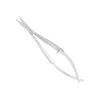 Excelta Scissors - 346B - Micro Self-Opening - Straight - SS - Blade Length .38" - 346B
$35.05
-
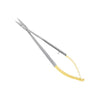 Excelta Scissors - 346-6-HT - Micro Self-Opening - Straight - SS .63" - 346-6-HT
$93.26
-
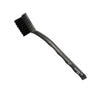 Excelta Brushes - ESD Safe - Offset - Plastic Handle - 197-ESD
$3.50
-
 Hakko CHP PN-20-M Thin, Short Nose Pliers - PN-20-M
$12.77$11.49
-
- Gloves
-
Swabs and Applicators
Foam Tipped Swabs
-
ESD & Static Control
ESD & Static Control
- Pipettes
-
Furnaces and Ovens
Furnaces and ovens


Description
- What it is. This copper sulfate solution is a ready-to-use 10% (w/v) aqueous solution of copper(II) sulfate, supplied in a 1 gallon size. It is a clear, bright blue liquid that saves the time and dust exposure involved in dissolving copper sulfate crystals.
- Chemical identity. Copper(II) sulfate, also called cupric sulfate, has the formula CuSO4 and a molar mass of 159.60 g/mol. The familiar bright blue crystals are the pentahydrate, CuSO4·5H2O (249.69 g/mol). In water both forms give the same blue copper(II) ion solution, so the basis of the 10% figure, anhydrous or pentahydrate, determines the exact copper content.
- Why the solution is blue. Copper(II) ions in water are surrounded by water molecules that absorb red and orange light, giving the characteristic blue color. That color makes copper sulfate a staple of teaching demonstrations and gives a quick visual cue when copper is consumed or displaced in a reaction.
- Redox and displacement chemistry. Copper(II) ions are readily reduced to copper metal by more active metals. An iron nail or zinc strip placed in copper sulfate solution becomes coated with copper while the blue color fades, a classic single-displacement reaction, and the same chemistry underlies zinc/copper galvanic cells.
- Electroplating and electrochemistry. Acidified copper sulfate solutions are the basis of acid copper electroplating and of copper coulometers, where copper deposited on an electrode measures the charge passed. In the lab, ready-made copper sulfate solution supplies the electrolyte for plating demonstrations, electrodeposition experiments, and electrochemical cells.
- Analytical and test reagents. Copper sulfate is a component of several classic chemical tests and reagents, including reagents for reducing sugars and protein detection, and it serves as a catalyst in some digestion procedures. A standardized 10% solution gives consistent starting strength for preparing these reagents.
- Reacting with bases and ammonia. Adding a strong base precipitates pale blue copper(II) hydroxide, and adding ammonia first precipitates the hydroxide, then dissolves it to form the deep blue tetraamminecopper(II) complex. These color changes make copper sulfate solution a reliable demonstration and identification reagent.
- Handling and environmental care. Copper sulfate is harmful if swallowed, irritates the skin and eyes, and is highly toxic to aquatic life with long-lasting effects (H410). Never pour copper solutions down the drain; collect them for disposal as hazardous waste according to local regulations.
Technical Specifications
| Chemical Name | Copper(II) sulfate, aqueous solution |
| Synonyms | Cupric sulfate, blue vitriol (pentahydrate), bluestone |
| CAS Numbers | 7758-98-7 (copper sulfate, anhydrous) or 7758-99-8 (pentahydrate), per SDS; 7732-18-5 (water) |
| EC Number | 231-847-6 |
| Formula | CuSO4 (anhydrous); CuSO4·5H2O (pentahydrate) |
| Molar Mass | 159.60 g/mol (anhydrous); 249.69 g/mol (pentahydrate) |
| Concentration | 10% (w/v), 100 g/L |
| Appearance | Clear blue liquid |
| Molarity | About 0.63 M if anhydrous basis; about 0.40 M if pentahydrate basis (calculated) |
| Copper Content | About 39.8 g Cu/L if anhydrous basis; about 25.5 g Cu/L if pentahydrate basis (calculated) |
| pH | About 3.7 to 4.2 (10% pentahydrate solution, per SDS) |
| Physical State | Liquid, aqueous solution |
| Melting / Boiling Point | Approx. 0 °C / 100 °C (aqueous) |
| Exposure Limit | OSHA PEL 1 mg/m³ as Cu (dusts and mists) |
| Hazard Classes (typical) | Acute Tox. (oral); Aquatic Acute 1 (H400); Aquatic Chronic 1 (H410) |
| Storage | Room temperature, tightly closed, away from bases and reactive metals |
| Package Size | 1 gallon |
Applications / Common Uses
- Electroplating demonstrations: Supplies the electrolyte for copper plating and electrodeposition.
- Galvanic cells: Forms the copper half-cell in zinc/copper cell experiments.
- Displacement reactions: Demonstrates metal reactivity with iron, zinc, or magnesium.
- Reagent preparation: Provides copper for classic test reagents.
- Crystal growth: Grows copper sulfate pentahydrate crystals in teaching labs.
Storage, Handling & Shipping
Caution: Copper sulfate is harmful if swallowed, causes skin and eye irritation, and is highly toxic to aquatic life with long-lasting effects (H410). Wear safety glasses and nitrile gloves, avoid ingestion, and never discharge copper solutions to drains.
Store the solution tightly closed at room temperature, away from strong bases, reducing agents, and reactive metal powders such as zinc, iron, aluminum, and magnesium, which displace copper from solution. Keep it away from food and drink areas, and collect all copper-containing waste for proper disposal.
- Incompatible materials: Strong bases, reducing agents, and finely divided metals (zinc, iron, aluminum, magnesium).
- Exposure limit (copper dusts and mists): OSHA PEL 1 mg/m³ as Cu (TWA).
- Spill response: Absorb with inert material and collect for hazardous waste disposal. Prevent entry to drains and waterways.
- First aid: Eyes or skin: rinse with water for several minutes. Ingestion: rinse mouth and seek medical attention.
- GHS signal word: Warning or Danger depending on formulation basis; typical statements: harmful or toxic if swallowed, highly toxic to aquatic life with long-lasting effects.
Related Categories & Services
- Shop Inorganic Chemicals for related products in this category.
- Explore High Purity Inorganics and ACS Grade Laboratory Chemicals.
- Vendor Managed Inventory (VMI) Program: Lab Pro can stock, track, and replenish this item on site so it never runs out. Contact info@labproinc.com or 888-452-2776 to set up a VMI assessment.
Related Articles
FAQs
What is copper sulfate solution used for in the lab?
It is used for electroplating and electrochemistry demonstrations, zinc/copper galvanic cells, displacement reactions with more active metals, preparing classic test reagents, and growing copper sulfate crystals. The ready-made 10% solution gives consistent strength and avoids weighing and dissolving the solid. It is also used as an electrolyte in copper electrodeposition experiments and in classroom demonstrations of redox chemistry.
Why is copper sulfate solution blue?
Copper(II) ions in water are surrounded by water molecules, and this complex absorbs red and orange light, leaving blue light to pass through. The anhydrous solid is white, but it turns blue as soon as it takes up water, which is why every aqueous copper sulfate solution appears blue.
Is the 10% based on anhydrous or pentahydrate copper sulfate?
Suppliers prepare 10% copper sulfate solutions on either basis, and the difference changes the copper content. A 10% pentahydrate solution contains less copper than a 10% anhydrous solution. Check the safety data sheet or certificate for this product if your method depends on exact copper concentration.
How should copper sulfate waste be disposed of?
Copper is highly toxic to aquatic life, so never pour copper sulfate solutions down the drain. Collect spent solutions and rinses in a labeled waste container and dispose of them as hazardous waste through a licensed contractor, following local and state environmental regulations. Rinse water from copper work belongs in the same container.
What reacts with copper sulfate solution?
More active metals such as iron, zinc, aluminum, and magnesium displace copper from solution, depositing copper metal. Strong bases precipitate blue copper hydroxide, and ammonia forms a deep blue copper ammine complex. Store the solution away from these materials to keep its concentration stable. Keep it away from food and drink as well.
RELATED PRODUCTS


