- No products in the cart.

- PPE Apparel
- Chemicals
- Wipes
-
Hand Tools
Hand Tools
-
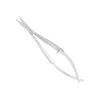 Excelta Scissors - 346B - Micro Self-Opening - Straight - SS - Blade Length .38" - 346B
$35.05
-
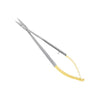 Excelta Scissors - 346-6-HT - Micro Self-Opening - Straight - SS .63" - 346-6-HT
$93.26
-
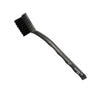 Excelta Brushes - ESD Safe - Offset - Plastic Handle - 197-ESD
$3.50
-
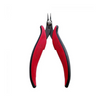 Hakko CHP PN-20-M Thin, Short Nose Pliers - PN-20-M
$12.77$11.49
-
- Gloves
-
Swabs and Applicators
Foam Tipped Swabs
-
ESD & Static Control
ESD & Static Control
- Pipettes
-
Furnaces and Ovens
Furnaces and ovens


1 Gallon HDPE Jug, 38/400 Neck, Clear, with Cap
$5.00
Description
- What it is. This 1 gallon jug (manufacturer part 45-992N) is a round, wide-body liquid container molded from high-density polyethylene, with an integral carry handle and a 38/400 continuous-thread neck, supplied with a matching screw cap. The translucent body lets you see the fill level at a glance, so you can see how much reagent, rinse solution, or waste remains without opening the jug.
- Capacity for daily bench volumes. With a nominal capacity of 1 gallon (128 fl oz, about 3.785 L), the jug holds a full working day or week of buffer, deionized water, or cleaning solution for most benches. It is large enough to cut down on refills from drums and carboys, yet light enough when full to carry and pour by hand.
- Designed for one-hand carrying and pouring. The handle is molded into the jug's shoulder, near the neck, balancing the weight of a full gallon and keeping the pour under control. The narrow opening gives a steady stream when filling flasks, wash containers, or instrument reservoirs, with less splashing than a wide-mouth container.
- Clear view of contents. Because the walls are translucent, you can check the liquid level, spot cloudiness or particles in a stored solution, and confirm a waste jug is nearing its fill line without opening it. That reduces unnecessary vapor exposure and helps you plan refills before a working supply runs out.
- What 38/400 means. The neck finish follows the industry-standard 38/400. The 38 is the outside thread diameter in millimeters, and 400 describes a shallow, single-lead continuous thread that seals in about one full turn. Because the finish is standardized, any closure made to 38/400 fits without adapters.
- Closure options. In addition to the supplied screw cap, the 38/400 neck accepts lined screw caps for a tighter seal, spouted or flip-top pour caps for frequent dispensing, child-resistant caps, and hand-operated dispensing pumps. Matching the closure to the liquid and the dispensing routine extends the jug's usefulness across applications.
- What it is suited to hold. The jug performs well with water, aqueous salt solutions, pH buffers, most dilute acids and bases, and many alcohols. Concentrated oxidizing acids, aromatic or chlorinated solvents, and some fuels can soften or permeate polyethylene over time, so check the SDS and a chemical compatibility chart before filling it with anything concentrated.
- Built for repeated use. A rigid, impact-resistant body withstands daily handling, refilling, and transport between rooms, with far less breakage risk than glassware when carried or stored on lower shelves. Rinse the jug thoroughly between contents, and keep jugs that have held waste out of reagent service to prevent cross-contamination.
- Labeling and hazard communication. The smooth round body leaves a full wrap-around label area for the chemical name, concentration, GHS pictograms, signal word, and fill date. Under OSHA's Hazard Communication Standard, a workplace container that holds a hazardous chemical must carry that identifying information, so a clean label panel matters when the jug is refilled.
- Where it is used. Labs and production areas use this gallon jug for prepared reagents and pH buffers, rinse and cleaning solutions, segregated aqueous waste, and repackaging bulk drum or carboy volumes into labeled working units. It also serves as a practical bench-side reservoir for Lab Pro's Deionized Water, ACS Type I, and suits moving liquid samples between rooms or sites.
Technical Specifications
| Product | 1 gallon jug with screw cap |
| Manufacturer Part No. | 45-992N |
| Material | High-density polyethylene (HDPE) |
| Color | Clear (translucent natural) |
| Nominal Capacity | 1 gallon (128 fl oz) |
| Shape | Round, wide body |
| Handle | Molded, integral |
| Neck Finish | 38/400 continuous thread (CT) |
| Compatible Closures | Any 38/400 cap, pour spout, or pump |
| Closure | Screw cap included |
| Package Size | 1 jug with cap |
Applications / Common Uses
- Reagent and buffer storage: Holds prepared aqueous reagents, pH buffers, and working solutions between runs.
- Deionized water supply: Keeps a bench-side supply of DI water ready for rinsing and dilution.
- Aqueous waste segregation: Collects compatible aqueous waste streams in labeled, separate containers before disposal.
- Repackaging bulk liquids: Splits drum or carboy volumes into gallon units that are easier to handle.
- Sample and solution transport: Moves liquids between labs or sites with less breakage risk than glass.
Storage, Handling & Shipping
As an empty container, this jug has no SDS, GHS classification, or NFPA rating of its own. Store empty jugs capped, clean, and away from heat and direct sunlight. Once filled, the contents set the handling rules: label the jug with the chemical name, concentration, hazards, and fill date, confirm the contents are compatible with polyethylene, and follow the SDS for the liquid it holds.
- Before filling: Check the SDS and a chemical compatibility chart for the liquid you plan to store, especially concentrated acids, oxidizers, and organic solvents.
- Labeling: Use a chemical-resistant label with the contents, concentration, hazards, and date.
- Reuse: Rinse thoroughly between contents, and keep jugs used for waste out of reagent service.
- Storage: Keep capped, upright, and away from heat sources and direct sunlight.
- GHS signal word: Not applicable to the empty container.
- DOT / shipping: Ships as a non-hazardous item when empty.
Related Categories & Services
- Shop Narrow Mouth Bottles - Plastic for related products in this category.
- Explore Plastic Bottles and Media Bottles.
- Vendor Managed Inventory (VMI) Program: Lab Pro can stock, track, and replenish this item on site so it never runs out. Contact info@labproinc.com or 888-452-2776 to set up a VMI assessment.
Related Articles
FAQs
What does the 38/400 neck finish mean for this HDPE jug?
The 38 is the outside diameter of the neck thread in millimeters, and 400 describes a shallow, single-turn continuous thread. Any closure sold as 38/400, including lined caps, spouted caps, and dispensing pumps, will fit, so you can match the closure to the liquid you are storing.
Which chemicals can I store in a 1 gallon HDPE jug?
HDPE performs well with water, buffers, salt solutions, most dilute acids and bases, and many alcohols. Concentrated oxidizing acids, aromatic or chlorinated solvents, and some fuels can soften or permeate polyethylene over time, so check a compatibility chart and the SDS before filling with anything concentrated.
Is a cap included with the jug?
Yes, each jug ships with a screw cap that fits the 38/400 neck. If your application needs a specific liner, such as PTFE for aggressive chemicals or a tamper-evident seal for shipping, you can replace the supplied cap with any 38/400 closure with that liner without changing the jug itself.
Can I replace the cap with a pour spout or pump?
Yes. The jug uses a standard 38/400 continuous-thread neck, so any closure made to that size fits, including spouted pour caps, lined screw caps, and hand-operated dispensing pumps. Choose the closure based on how often you dispense and what liquid the jug holds, and check its liner compatibility.
How much liquid does the jug hold?
The jug has a nominal capacity of 1 gallon (128 US fluid ounces, or about 3.785 liters). Nominal capacity is the labeled working volume, so leave some headspace when filling. Headspace keeps liquid out of the neck, makes pouring easier, and allows room for expansion when the temperature changes.
How should I label the jug once it is filled?
Use a chemical-resistant label that states the full chemical name, concentration, primary hazards, date filled, and the responsible person or lab. The smooth, round body leaves enough space for a GHS-style label, which keeps the jug compliant with hazard communication rules when it holds a hazardous chemical.
RELATED PRODUCTS


