- No products in the cart.

- PPE Apparel
- Chemicals
- Wipes
-
Hand Tools
Hand Tools
-
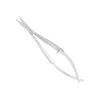 Excelta Scissors - 346B - Micro Self-Opening - Straight - SS - Blade Length .38" - 346B
$35.05
-
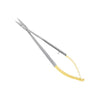 Excelta Scissors - 346-6-HT - Micro Self-Opening - Straight - SS .63" - 346-6-HT
$93.26
-
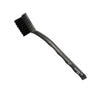 Excelta Brushes - ESD Safe - Offset - Plastic Handle - 197-ESD
$3.50
-
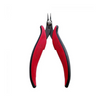 Hakko CHP PN-20-M Thin, Short Nose Pliers - PN-20-M
$12.77$11.49
-
- Gloves
-
Swabs and Applicators
Foam Tipped Swabs
-
ESD & Static Control
ESD & Static Control
- Pipettes
-
Furnaces and Ovens
Furnaces and ovens


Description
- What it is. This sulfuric acid solution is a 1.0 N (0.5 M) volumetric standard, offered in 1 L and 1 gallon sizes. It is a clear, colorless acid for titrating concentrated bases, Kjeldahl nitrogen work, sample acidification, and preparing weaker standards.
- Normality versus molarity. Sulfuric acid releases two hydrogen ions per molecule, so its normality is twice its molarity. A 1.0 N solution is therefore 0.5 M, containing about 49.04 g of H2SO4 per liter, and each milliliter neutralizes 1.0 milliequivalent of base, equal to 40.00 mg of sodium hydroxide (calculated).
- A strong, non-oxidizing titrant at working strength. Dilute sulfuric acid behaves as a strong acid in titrations of bases. Unlike hydrochloric acid, it is not volatile, so standard solutions hold their strength well, and it is the preferred acid for permanganate titrations, where chloride would interfere.
- A convenient stock strength. At 1.0 N, the solution suits samples with high base content and serves as a stock for 0.1 N and 0.01 N sulfuric acid by accurate tenfold dilution with deionized water.
- Acidifying samples. One-normal sulfuric acid is widely used to acidify samples before analysis, preserve water samples for nutrient testing, and provide acid for permanganate and dichromate oxidations.
- Two sizes. The 1 L size (ZS1254-32) suits occasional titration and acidification, while the 1 gallon size (ZS1254-128) supports labs that use standard acid daily.
- Handling at a glance. One-normal sulfuric acid can irritate or damage skin and eyes and is corrosive to metals. Wear chemical splash goggles and acid-resistant gloves, and rinse splashes immediately with plenty of water.
- Calculating results. Base content equals the titrant volume multiplied by the standardized normality and by the base's milliequivalent weight. For sodium hydroxide, each milliliter of 1.0 N sulfuric acid corresponds to 40.00 mg.
- Standardization. Verify concentration against a primary standard base such as dried sodium carbonate, using methyl orange or a mixed indicator, or against standardized sodium hydroxide with phenolphthalein.
- Where it is used. Laboratories use 1.0 N sulfuric acid for titrating concentrated bases, Kjeldahl nitrogen methods, acidifying and preserving samples, permanganate and dichromate titrations, preparing weaker standards, and teaching labs.
Technical Specifications
| Chemical Name | Sulfuric acid, aqueous solution |
| CAS Numbers | 7664-93-9 (sulfuric acid); 7732-18-5 (water) |
| EC Number (H2SO4) | 231-639-5 |
| Synonyms | Oil of vitriol (concentrated), battery acid (dilute), H2SO4 solution |
| Formula (active) | H2SO4 |
| Molecular Weight (active) | 98.08 g/mol |
| Equivalent Weight | 49.04 (diprotic; normal = 2 x molar) |
| Concentration | 1.0 N (0.5 M) |
| H2SO4 Content | About 49.04 g/L (calculated) |
| Neutralizing Capacity | 1.00 mL = 1.0 meq; 40.00 mg NaOH (calculated) |
| pH (1 N solution, reference) | About 0.3 |
| Appearance | Clear, colorless liquid |
| Exposure Limit (mist) | OSHA PEL and NIOSH REL: 1 mg/m³ TWA |
| Package Sizes | 1 L; 1 gallon |
Available Variants
- ZS1254-32 (SA1320-1): 1 L for occasional titration and acidification.
- ZS1254-128 (SA1320): 1 gallon for daily standard acid use.
Applications / Common Uses
- Concentrated base titration: Titrates samples with high base content.
- Kjeldahl nitrogen: Traps or back-titrates distilled ammonia.
- Sample preservation: Acidifies water samples for nutrient analysis.
- Redox titrations: Provides acid for permanganate and dichromate methods.
- Standard dilutions: Prepares 0.1 N and 0.01 N acid.
Storage, Handling & Shipping
Store tightly closed in a corrosives cabinet away from bases, reactive metals, organic materials, and water-reactive substances. When diluting, always add acid slowly to water, never water to acid, since dilution releases heat.
- Incompatible materials: Bases, reactive metals (release hydrogen), organic materials, oxidizers and reducers, and cyanides or sulfides.
- Exposure limit (sulfuric acid mist): OSHA PEL and NIOSH REL: 1 mg/m³ TWA.
- Spill response: Contain and neutralize with sodium bicarbonate or an acid spill kit, then rinse with water.
- First aid: Skin or eyes: flush with water for at least 15 minutes and seek medical attention.
- GHS signal word: Danger or Warning depending on concentration.
- DOT / shipping: UN2796, Sulfuric acid, Class 8.
Related Categories & Services
- Shop Acids for related products in this category.
- Explore Buffers, Standards & Solutions and ACS Grade Laboratory Chemicals.
- Vendor Managed Inventory (VMI) Program: Lab Pro can stock, track, and replenish this item on site so it never runs out. Contact info@labproinc.com or 888-452-2776 to set up a VMI assessment.
Related Articles
FAQs
Why is 1.0 N sulfuric acid 0.5 M?
Sulfuric acid releases two hydrogen ions per molecule, so normality is twice molarity. A 1.0 N solution is 0.5 M and contains about 49.04 g of sulfuric acid per liter. Each milliliter neutralizes one milliequivalent of base, such as 40 mg of sodium hydroxide. Check your method's units.
How do I make 0.1 N sulfuric acid from 1.0 N?
Pipette 100 mL of 1.0 N sulfuric acid into a 1 liter volumetric flask and dilute to the mark with deionized water. Mix thoroughly and standardize the result against sodium carbonate or standardized sodium hydroxide, since dilution can introduce small volumetric errors. Label it clearly.
Why is sulfuric acid used to preserve water samples?
Acidifying water samples to a low pH slows microbial activity and chemical changes, preserving analytes such as ammonia, nitrate plus nitrite, total Kjeldahl nitrogen, and phosphorus until analysis. Follow your method's specified acid amount and holding time for regulated testing. Refrigeration usually accompanies acidification. Label preserved samples.
Is 1 N sulfuric acid hazardous?
Yes. One-normal sulfuric acid can cause skin and serious eye irritation or damage and is corrosive to metals. Wear chemical splash goggles and acid-resistant gloves, and rinse any splashes immediately with plenty of water. Confirm the exact classification on the safety data sheet. Keep an eyewash nearby.
Which size should I choose?
Choose 1 L for occasional titration or sample acidification, so stock stays fresh and easy to handle. Choose 1 gallon for labs that use standard acid daily. Both sizes contain the same 1.0 N solution, so calculations are identical. Store both tightly closed in a corrosives cabinet.
RELATED PRODUCTS


