- No products in the cart.

- PPE Apparel
- Chemicals
- Wipes
-
Hand Tools
Hand Tools
-
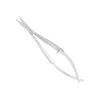 Excelta Scissors - 346B - Micro Self-Opening - Straight - SS - Blade Length .38" - 346B
$35.05
-
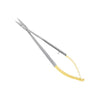 Excelta Scissors - 346-6-HT - Micro Self-Opening - Straight - SS .63" - 346-6-HT
$93.26
-
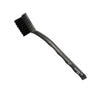 Excelta Brushes - ESD Safe - Offset - Plastic Handle - 197-ESD
$3.50
-
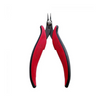 Hakko CHP PN-20-M Thin, Short Nose Pliers - PN-20-M
$12.77$11.49
-
- Gloves
-
Swabs and Applicators
Foam Tipped Swabs
-
ESD & Static Control
ESD & Static Control
- Pipettes
-
Furnaces and Ovens
Furnaces and ovens


Description
- What it is. This sodium acetate is the anhydrous (water-free) form, supplied in a 5 lb size. It is the sodium salt of acetic acid, used in larger quantities for acetate buffers, nucleic acid precipitation, and laboratory and process applications.
- Chemical identity. Anhydrous sodium acetate (CAS 127-09-3, CH3COONa, 82.03 g/mol) melts at about 324 °C and dissolves readily in water. It is hygroscopic and absorbs moisture from the air.
- Anhydrous versus trihydrate. The trihydrate form has a formula weight of 136.08 g/mol. Using the wrong formula weight changes solution strength by about 40%, so confirm you are calculating with the anhydrous value for this product.
- Acetate buffers. Combined with acetic acid, sodium acetate forms buffers effective from about pH 3.6 to 5.6, centered on acetic acid's pKa of about 4.76. They are used in enzyme assays, chromatography, and protein work.
- Nucleic acid precipitation. A 3 M sodium acetate solution adjusted to about pH 5.2 is a standard reagent for ethanol precipitation of DNA and RNA, neutralizing the phosphate backbone so nucleic acids precipitate.
- Why the 5 lb size. The 5 lb size suits labs and production areas that prepare buffers and stock solutions in volume, providing one consistent lot over a longer period. For lighter use, Lab Pro also offers Sodium Acetate Anhydrous Powder, 1 lb.
- Moisture control. Because the anhydrous salt absorbs water, you open a larger pack more often over its life. Reseal it promptly after every use and store it in a dry place to keep weighed portions accurate.
- Preparing stock solutions. For a 3 M stock, dissolve about 246.1 g of anhydrous sodium acetate per liter (calculated), adjusting pH with acetic acid as your protocol requires. Dissolve in about 70% of the final volume first, then bring to volume.
- Other uses. Sodium acetate is also used in textile dyeing, as a mild alkali and buffering agent in industrial processes, as a food additive, and in heating pads based on supersaturated solutions.
Technical Specifications
| Chemical Name | Sodium acetate, anhydrous |
| CAS Number | 127-09-3 |
| EC Number | 204-823-8 |
| Synonyms | Sodium ethanoate, acetic acid sodium salt |
| Formula | CH3COONa (C2H3NaO2) |
| Molecular Weight | 82.03 g/mol |
| Form | White, anhydrous solid |
| Melting Point | About 324 °C |
| Water Solubility | Freely soluble |
| Hygroscopic | Yes; keep tightly closed |
| Buffer Range (with acetic acid) | About pH 3.6 to 5.6 |
| Trihydrate Formula Weight (reference) | 136.08 g/mol |
| Grade | Confirm on label |
| Package Size | 5 lb |
Applications / Common Uses
- Acetate buffers: Prepares buffers between pH 3.6 and 5.6 in volume.
- DNA and RNA precipitation: Prepares 3 M sodium acetate stocks.
- Chromatography: Buffers mobile phases.
- Industrial processing: Acts as a mild alkali and buffer.
- Teaching labs: Supplies buffer and supersaturation experiments.
Storage, Handling & Shipping
Store tightly closed in a cool, dry place away from strong oxidizers and strong acids. Anhydrous sodium acetate readily absorbs moisture, so reseal the container promptly after each use.
- Incompatible materials: Strong oxidizers, strong acids, and nitrates.
- Personal protection: Safety glasses, gloves, and dust control.
- Spill response: Sweep up without raising dust and place in a closed container.
- First aid: Eyes: rinse with water for several minutes.
Related Categories & Services
- Shop Organic Compounds for related products in this category.
- Explore Buffers, Standards & Solutions and ACS Grade Laboratory Chemicals.
- Vendor Managed Inventory (VMI) Program: Lab Pro can stock, track, and replenish this item on site so it never runs out. Contact info@labproinc.com or 888-452-2776 to set up a VMI assessment.
Related Articles
FAQs
What is the difference between the 1 lb and 5 lb sodium acetate?
Both are anhydrous sodium acetate. The 5 lb size suits labs and production areas that prepare buffers and stock solutions in volume, while the 1 lb size suits occasional use. Choose a size you can use while keeping the material dry, since it absorbs moisture.
Why does the anhydrous form matter?
Anhydrous sodium acetate weighs 82.03 g/mol, while the trihydrate weighs 136.08 g/mol. Recipes written for one form give solutions about 40% off in strength if made with the other. Always use the formula weight that matches the material you are weighing. Check the label before weighing.
How do I make 3 M sodium acetate pH 5.2?
Dissolve about 246.1 g of anhydrous sodium acetate in roughly 700 mL of water, adjust to pH 5.2 with glacial acetic acid, and bring the volume to 1 liter (calculated from 82.03 g/mol). Filter or autoclave if your application requires it. Label it with the date.
How should a 5 lb pack be stored?
Keep it tightly closed in a dry place at room temperature, away from strong oxidizers and acids. Because a larger pack is opened many times, reseal it immediately after each use, and consider transferring working amounts to a smaller, tightly closed container. Label opening dates.
Is sodium acetate hazardous?
Sodium acetate has low toxicity, is not generally classified as hazardous, and is used as a food additive in diluted form. In the lab, avoid creating dust, wear safety glasses and gloves, and confirm the classification on the safety data sheet for this product.
RELATED PRODUCTS


