- No products in the cart.

- PPE Apparel
- Chemicals
- Wipes
-
Hand Tools
Hand Tools
-
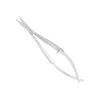 Excelta Scissors - 346B - Micro Self-Opening - Straight - SS - Blade Length .38" - 346B
$35.05
-
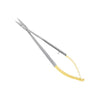 Excelta Scissors - 346-6-HT - Micro Self-Opening - Straight - SS .63" - 346-6-HT
$93.26
-
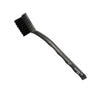 Excelta Brushes - ESD Safe - Offset - Plastic Handle - 197-ESD
$3.50
-
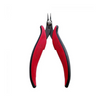 Hakko CHP PN-20-M Thin, Short Nose Pliers - PN-20-M
$12.77$11.49
-
- Gloves
-
Swabs and Applicators
Foam Tipped Swabs
-
ESD & Static Control
ESD & Static Control
- Pipettes
-
Furnaces and Ovens
Furnaces and ovens


Description
- What it is. This potassium hydroxide solution contains 30 g of KOH per 100 mL of solution (30% w/v), offered in 3.8 L, 20 L, and 200 L drum sizes. It is a clear, colorless, strongly alkaline liquid for cleaning, etching, pH control, and process chemistry.
- What 30% (w/v) means. Weight-per-volume concentration means 300 g of potassium hydroxide in each liter of solution, about 5.35 M (calculated). Expressing strength per volume makes metering and dosing simple, since every liter delivers the same mass of KOH.
- Chemical identity. Potassium hydroxide (caustic potash, CAS 1310-58-3, KOH, 56.11 g/mol) is a strong base that dissociates completely in water. Its potassium salts are generally more soluble than sodium salts, which matters in soaps, cleaners, and electrolytes.
- Why a ready-made solution. Dissolving solid KOH releases a large amount of heat and creates caustic dust and spatter. A prepared 30% (w/v) solution removes that step, improves dosing accuracy, and gives consistent strength from batch to batch.
- Cleaning and degreasing. Hot alkaline KOH solutions saponify fats and oils and strip organic residues, which is why potassium hydroxide is used in heavy-duty cleaners, parts washers, clean-in-place systems, and paint and coating strippers.
- Etching and processing. In electronics and MEMS work, potassium hydroxide solutions etch silicon anisotropically. In chemical processing, KOH adjusts pH, neutralizes acids, and serves as a reagent for potassium salts and biodiesel catalysts.
- Three sizes, including a drum. The 3.8 L size (LP-PH6030-4) suits laboratories and small batches, the 20 L size (PH6030-20) supports pilot and routine production, and the 200 L technical-grade drum (LP-PH6030-9) supplies continuous industrial use.
- Handling at a glance. Thirty-percent KOH causes severe skin burns and eye damage and is corrosive to aluminum and zinc. Wear chemical splash goggles, a face shield, and alkali-resistant gloves, and always add base slowly to water when diluting.
- Carbon dioxide absorption. Like all hydroxide solutions, KOH slowly absorbs carbon dioxide from the air to form potassium carbonate, which reduces effective alkalinity. Keep containers sealed and avoid leaving drums or carboys open between uses.
- Related products. For a more concentrated solution, see Lab Pro's Potassium Hydroxide 45% (w/w), 1 Pint. For titration work, see Potassium Hydroxide 0.1 N Solution, 1 Gallon.
Technical Specifications
| Chemical Name | Potassium hydroxide, aqueous solution |
| CAS Numbers | 1310-58-3 (potassium hydroxide); 7732-18-5 (water) |
| EC Number | 215-181-3 |
| Synonyms | Caustic potash solution, potash lye, KOH solution |
| Formula (active) | KOH |
| Molecular Weight (active) | 56.11 g/mol |
| Concentration | 30% (w/v), 300 g/L |
| Approximate Molarity | About 5.35 M (calculated) |
| Grade | Technical grade (200 L drum); confirm grade for 3.8 L and 20 L |
| Appearance | Clear, colorless liquid |
| Water Solubility | Miscible |
| Hazard Statements (typical KOH solutions) | H290, H302, H314 |
| DOT (typical) | UN1814, Potassium hydroxide solution, Class 8 ( SDS) |
| Exposure Limit | NIOSH REL 2 mg/m³ ceiling |
| Package Sizes | 3.8 L; 20 L; 200 L drum |
Available Variants
- LP-PH6030-4: 3.8 L for laboratories and small batches.
- PH6030-20: 20 L for pilot and routine production.
- LP-PH6030-9: 200 L technical-grade drum for continuous industrial use.
Applications / Common Uses
- Heavy-duty cleaning: Strips fats, oils, and organic residues.
- Silicon etching: Etches silicon in MEMS processing.
- pH control: Neutralizes acids and raises pH in process streams.
- Chemical processing: Supplies KOH for potassium salts and catalysts.
- Paint and coating stripping: Removes organic coatings from parts.
Storage, Handling & Shipping
Caution: 30% potassium hydroxide causes severe skin burns and eye damage, is harmful if swallowed, and is corrosive to aluminum and zinc. Wear chemical splash goggles, a face shield, and alkali-resistant gloves, and always add base slowly to water.
Store tightly closed in a cool, dry corrosives area for bases, separated from acids, reactive metals, and organic halogen compounds. Use secondary containment, keep containers sealed to limit carbon dioxide uptake, and use alkali-rated pumps for drum dispensing.
- Incompatible materials: Acids, aluminum, zinc, tin, and other reactive metals, and organic halogen compounds.
- Exposure limit (potassium hydroxide): NIOSH REL 2 mg/m³ ceiling.
- Spill response: Contain with inert absorbent, neutralize cautiously with a weak acid, and rinse with water.
- First aid: Skin or eyes: flush with water for at least 15 minutes and seek immediate medical attention.
- GHS signal word: Danger.
- DOT / shipping: UN1814, Potassium hydroxide solution, Class 8; the Lab Pro SDS.
Related Categories & Services
- Shop Bases for related products in this category.
- Explore Inorganic Chemicals and ACS Grade Laboratory Chemicals.
- Vendor Managed Inventory (VMI) Program: Lab Pro can stock, track, and replenish this item on site so it never runs out. Contact info@labproinc.com or 888-452-2776 to set up a VMI assessment.
Related Articles
FAQs
What does 30% (w/v) potassium hydroxide mean?
It means 30 g of potassium hydroxide dissolved in every 100 mL of solution, or 300 g per liter, about 5.35 M. Weight-per-volume strength makes dosing simple, because each liter always delivers the same mass of KOH regardless of solution density. Check the label for the concentration basis.
What is 30% potassium hydroxide used for?
It is used for heavy-duty cleaning and degreasing, clean-in-place systems, paint and coating stripping, anisotropic silicon etching, pH control and acid neutralization, and as a reagent in chemical processing. The strength balances effectiveness with easier handling than 45% solutions. It also serves as a stock for preparing weaker alkaline solutions in the lab.
Which size should I choose?
Choose 3.8 L for laboratory work and small batches, 20 L for pilot plants and routine production, and the 200 L technical-grade drum for continuous industrial use. Larger sizes require secondary containment and alkali-rated dispensing equipment for safe transfers. All three contain the same 30% (w/v) solution.
How should I dilute 30% potassium hydroxide?
Wear goggles, a face shield, and alkali-resistant gloves, and add the KOH solution slowly to cold water while stirring. Never add water to concentrated base. Dilution releases heat, so let the solution cool before adjusting the final volume or using it. Label the diluted solution clearly.
Why must KOH be kept away from aluminum?
Potassium hydroxide attacks aluminum, zinc, tin, and their alloys, dissolving the metal and releasing flammable hydrogen gas. Use polyethylene, polypropylene, or suitable stainless steel equipment, and never store or transfer KOH solutions in aluminum or galvanized containers. Hydrogen buildup in a closed space creates a fire and explosion hazard.
RELATED PRODUCTS


