- No products in the cart.

- PPE Apparel
- Chemicals
- Wipes
-
Hand Tools
Hand Tools
-
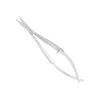 Excelta Scissors - 346B - Micro Self-Opening - Straight - SS - Blade Length .38" - 346B
$35.05
-
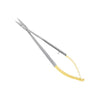 Excelta Scissors - 346-6-HT - Micro Self-Opening - Straight - SS .63" - 346-6-HT
$93.26
-
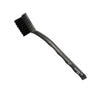 Excelta Brushes - ESD Safe - Offset - Plastic Handle - 197-ESD
$3.50
-
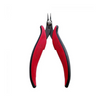 Hakko CHP PN-20-M Thin, Short Nose Pliers - PN-20-M
$12.77$11.49
-
- Gloves
-
Swabs and Applicators
Foam Tipped Swabs
-
ESD & Static Control
ESD & Static Control
- Pipettes
-
Furnaces and Ovens
Furnaces and ovens


Description
- What it is. This potassium hydroxide solution is a 0.5 N (0.5 M) solution of KOH in methanol, supplied in a 1 L size. It is a methanolic base used for saponification, transesterification, and titrations of oils, fats, and organic samples that do not dissolve well in water.
- What 0.5 N in methanol delivers. Each liter contains about 28.05 g of potassium hydroxide, and each milliliter supplies 0.5 millimole of hydroxide, equal to 28.05 mg of KOH (calculated). That strength suits saponification, where an excess of base is needed.
- Saponification value. The saponification value is the milligrams of KOH needed to saponify 1 g of fat or oil. Samples are refluxed with a measured excess of alcoholic KOH, then the remaining base is back-titrated with standard hydrochloric acid using phenolphthalein, and the difference from a blank gives the result.
- Why an alcoholic base. Oils and fats do not dissolve in water, but they mix with alcohols. Dissolving KOH in methanol lets the base contact the sample directly, speeding saponification, while potassium soaps stay in solution and keep endpoints clear.
- Fatty acid methyl esters. Methanolic KOH also catalyzes transesterification of triglycerides to fatty acid methyl esters (FAMEs), the standard derivatives for gas chromatographic fatty acid profiling and the basis of biodiesel production chemistry.
- Stability. Alcoholic KOH absorbs carbon dioxide and can slowly darken on standing. Keep it tightly closed, protected from light, and restandardize against standard acid before critical work.
- Methanol hazards. Methanol is highly flammable, with a flash point near 11 °C, and toxic if swallowed, inhaled, or absorbed through skin, with effects that include damage to the optic nerve. Combined with corrosive KOH, the solution requires a fume hood, goggles, and chemical-resistant gloves.
- Related products. Back-titrate with Lab Pro's Hydrochloric Acid 0.1 N (0.1 M), 1 Gallon or stronger standard acid, using Phenolphthalein Indicator 1% in IPA (1 Pint, 20 L) as the indicator.
- Where it is used. Methanolic KOH is used for saponification value testing of oils, fats, and waxes, FAME preparation for GC analysis, biodiesel research, and other alkaline reactions in organic and food analysis labs.
Technical Specifications
| Chemical Name | Potassium hydroxide in methanol |
| CAS Numbers | 1310-58-3 (potassium hydroxide); 67-56-1 (methanol) |
| Synonyms | Alcoholic potassium hydroxide, methanolic KOH |
| Formula (active) | KOH |
| Molecular Weight (active) | 56.11 g/mol |
| Concentration | 0.5 N (0.5 M) |
| KOH Content | About 28.05 g/L (calculated) |
| Delivered Base | 1.00 mL = 0.5 mmol KOH, 28.05 mg (calculated) |
| Solvent | Methanol |
| Typical Indicator (back-titration) | Phenolphthalein |
| Appearance | Clear, colorless to pale yellow liquid |
| Flash Point (methanol) | About 11 °C |
| Hazard Profile | Highly flammable; toxic (methanol); corrosive (KOH); confirm on SDS |
| Exposure Limits (methanol) | OSHA PEL 200 ppm TWA; NIOSH REL 200 ppm TWA, 250 ppm STEL |
| DOT | |
| Package Size | 1 L |
Applications / Common Uses
- Saponification value: Saponifies fats and oils for back-titration.
- FAME preparation: Transesterifies triglycerides for GC analysis.
- Biodiesel research: Catalyzes transesterification of oils.
- Organic titrations: Titrates acids in non-aqueous samples.
- Ester hydrolysis: Hydrolyzes esters in organic analysis.
Storage, Handling & Shipping
Caution: This solution is highly flammable and toxic because of its methanol content, and corrosive because of potassium hydroxide. Methanol can damage the optic nerve. Work in a fume hood away from ignition sources, and wear chemical splash goggles and chemical-resistant gloves.
Store tightly closed in a cool, well-ventilated flammables cabinet away from heat, sparks, open flames, acids, and oxidizers. Protect from light and carbon dioxide by keeping the container sealed, and restandardize before critical use.
- Incompatible materials: Acids, aluminum, zinc, tin, and other reactive metals, and organic halogen compounds.
- Exposure limit (potassium hydroxide): NIOSH REL 2 mg/m³ ceiling.
- Spill response: Contain with inert absorbent, neutralize cautiously with a weak acid, and rinse with water.
- First aid: Skin or eyes: flush with water for at least 15 minutes and seek immediate medical attention.
- Exposure limits (methanol): OSHA PEL 200 ppm TWA; NIOSH REL 200 ppm TWA, 250 ppm STEL.
- GHS signal word: Danger.
- DOT / shipping: (flammable, toxic, corrosive solution).
Related Categories & Services
- Shop Bases for related products in this category.
- Explore Buffers, Standards & Solutions and Solvents.
- Vendor Managed Inventory (VMI) Program: Lab Pro can stock, track, and replenish this item on site so it never runs out. Contact info@labproinc.com or 888-452-2776 to set up a VMI assessment.
Related Articles
FAQs
What is 0.5 N KOH in methanol used for?
It is used to determine saponification value of oils, fats, and waxes, to prepare fatty acid methyl esters for gas chromatography, in biodiesel transesterification research, and for alkaline reactions and titrations in samples that do not dissolve in water. Its alcoholic solvent keeps fats and oils in solution.
How is saponification value measured?
Reflux a weighed sample with an exact volume of 0.5 N alcoholic KOH, then back-titrate the remaining base with standard hydrochloric acid using phenolphthalein. Run a blank without sample. The difference in acid volume gives milligrams of KOH consumed per gram of sample. Use the standardized normality of both solutions.
Why is the KOH dissolved in methanol instead of water?
Oils and fats do not dissolve in water but mix with alcohols. A methanolic solution lets potassium hydroxide reach the sample directly, speeding saponification and transesterification, while the potassium soaps formed stay dissolved, keeping the titration mixture clear and the endpoint sharp. Follow your method's solvent.
Why does alcoholic KOH turn yellow?
Alcoholic potassium hydroxide can slowly darken as trace aldehydes and other oxidation products form, especially with light and air exposure. Slight yellowing usually does not affect saponification results, but restandardize before use and replace solutions that darken significantly. Protect it from light between uses. Date each opened unit.
What are the main hazards of KOH in methanol?
Methanol is highly flammable and toxic, and can damage the optic nerve if swallowed, inhaled, or absorbed through skin. Potassium hydroxide adds corrosivity. Use a fume hood away from ignition sources, wear goggles and chemical-resistant gloves, and store it in a flammables cabinet. Keep spill supplies handy.
RELATED PRODUCTS


