- No products in the cart.

- PPE Apparel
- Chemicals
- Wipes
-
Hand Tools
Hand Tools
-
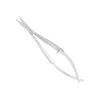 Excelta Scissors - 346B - Micro Self-Opening - Straight - SS - Blade Length .38" - 346B
$35.05
-
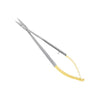 Excelta Scissors - 346-6-HT - Micro Self-Opening - Straight - SS .63" - 346-6-HT
$93.26
-
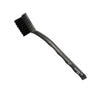 Excelta Brushes - ESD Safe - Offset - Plastic Handle - 197-ESD
$3.50
-
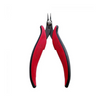 Hakko CHP PN-20-M Thin, Short Nose Pliers - PN-20-M
$12.77$11.49
-
- Gloves
-
Swabs and Applicators
Foam Tipped Swabs
-
ESD & Static Control
ESD & Static Control
- Pipettes
-
Furnaces and Ovens
Furnaces and ovens


Description
- What it is. This phosphoric acid is the concentrated 85% ACS reagent grade, offered in 100 mL and 1 pint sizes. It is a clear, colorless, syrupy liquid used for preparing buffers and standards, sample digestion, etching, and analytical chemistry.
- What ACS grade guarantees. ACS reagent phosphoric acid assays at 85.0% minimum and limits impurities such as chloride, nitrate, sulfate, volatile acids, iron, and heavy metals to low parts-per-million levels, with color no darker than 10 Hazen. Those limits make it suitable for analytical and buffer work.
- How concentrated it is. With a density of about 1.685 g/mL, 85% phosphoric acid contains roughly 1,430 g of H3PO4 per liter, about 14.6 M (calculated). It is viscous, mixes completely with water, and boils near 158 °C.
- A triprotic acid. Phosphoric acid releases three protons in steps, with pKa values of about 2.15, 7.20, and 12.32. That makes it the basis of phosphate buffers across a wide range, including the widely used pH 7 region of dihydrogen and hydrogen phosphate.
- Freezing behavior. Concentrated phosphoric acid can crystallize at cool temperatures, since the pure 85% solution has a melting point near 21 °C. If crystals form, warm it gently to room temperature and mix before use.
- Laboratory uses. Labs use 85% phosphoric acid to prepare phosphate buffers and HPLC mobile phases, acidify samples, digest and dissolve materials, catalyze reactions such as dehydrations, and as an etchant in semiconductor processing for silicon nitride at elevated temperature.
- Diluting safely. To prepare dilute phosphoric acid, add the concentrated acid slowly to water with stirring. Dilution releases heat, though less violently than with sulfuric acid. Because the 85% acid is viscous, rinse measuring glassware carefully to transfer the full volume.
- Two sizes. The 100 mL size (ZP0995-125) suits occasional buffer preparation and teaching labs, while the 1 pint size (ZP0995-16) supports labs that prepare buffers and mobile phases regularly.
- Handling at a glance. Concentrated phosphoric acid causes severe skin burns and eye damage and is corrosive to metals. Wear chemical splash goggles and acid-resistant gloves, and add acid to water when diluting. For dilute acid in bulk, see Lab Pro's Phosphoric Acid 5% (w/w), 55 Gallon Drum.
Technical Specifications
| Chemical Name | Orthophosphoric acid, aqueous solution |
| CAS Numbers | 7664-38-2 (phosphoric acid); 7732-18-5 (water) |
| EC Number | 231-633-2 |
| Synonyms | Phosphoric acid, orthophosphoric acid, o-phosphoric acid |
| Formula | H3PO4 |
| Molecular Weight | 98.00 g/mol |
| Grade | ACS reagent |
| Assay | 85.0% min |
| Color | 10 Hazen max |
| Chloride (Cl) | 2 ppm max |
| Nitrate (NO3) | 3 ppm max |
| Sulfate (SO4) | 20 ppm max |
| Volatile Acids (as acetic acid) | 10 ppm max |
| Iron (Fe) | 10 ppm max |
| Heavy Metals (as Pb) | 10 ppm max |
| Insoluble Matter | 10 ppm max |
| Density | About 1.685 g/mL (25 °C) |
| Approximate Molarity | About 14.6 M (calculated) |
| pKa Values | About 2.15, 7.20, 12.32 |
| Boiling Point | About 158 °C |
| Melting Point | About 21 °C |
| Hazard Statements | H290 (corrosive to metals), H314 (severe burns) |
| DOT | UN1805, Phosphoric acid solution, Class 8, PG III |
| Exposure Limits | OSHA PEL 1 mg/m³ TWA; NIOSH REL 1 mg/m³ TWA, 3 mg/m³ STEL |
| Package Sizes | 100 mL; 1 pint |
Available Variants
- ZP0995-125: 100 mL for occasional buffer preparation and teaching labs.
- ZP0995-16: 1 pint for regular buffer and mobile-phase preparation.
Applications / Common Uses
- Phosphate buffers: Prepares buffers across pH 2 to 12.
- HPLC mobile phases: Acidifies and buffers mobile phases.
- Sample digestion: Dissolves and acidifies samples.
- Catalysis: Catalyzes dehydration and other acid reactions.
- Nitride etching: Etches silicon nitride at elevated temperature.
Storage, Handling & Shipping
Caution: 85% phosphoric acid causes severe skin burns and eye damage and is corrosive to metals. Wear chemical splash goggles and acid-resistant gloves, and always add acid to water when diluting.
Store tightly closed at room temperature in a corrosives cabinet, away from bases, reactive metals, and oxidizers. Avoid cold storage, which can cause the concentrated acid to crystallize; if crystals form, warm gently and mix before use.
- Incompatible materials: Strong bases, reactive metals (which release hydrogen), and strong oxidizers.
- Exposure limits: OSHA PEL 1 mg/m³ TWA; NIOSH REL 1 mg/m³ TWA, 3 mg/m³ STEL.
- Spill response: Contain, neutralize with sodium bicarbonate, and rinse with water.
- First aid: Skin or eyes: flush with water for at least 15 minutes and seek medical attention.
- GHS signal word: Danger.
- DOT / shipping: UN1805, Phosphoric acid solution, Class 8, PG III.
Related Categories & Services
- Shop Acids for related products in this category.
- Explore ACS Grade Laboratory Chemicals and Buffers, Standards & Solutions.
- Vendor Managed Inventory (VMI) Program: Lab Pro can stock, track, and replenish this item on site so it never runs out. Contact info@labproinc.com or 888-452-2776 to set up a VMI assessment.
Related Articles
FAQs
What is the molarity of 85% phosphoric acid?
At 85% and a density of about 1.685 g/mL, concentrated phosphoric acid is roughly 14.6 M. Because it is triprotic, its normality depends on how many protons react: up to about 43.8 N if all three are titrated, though most titrations use only the first one or two.
Why does phosphoric acid sometimes crystallize?
The 85% solution has a melting point near 21 °C, so it can form crystals in cool storage rooms or during shipping in winter. Warm it gently to room temperature and mix thoroughly before use, since crystals and liquid can differ in concentration. Do not heat it with an open flame.
How do I make a phosphate buffer with phosphoric acid?
Dilute phosphoric acid in water and adjust to the target pH with sodium or potassium hydroxide, or combine it with a phosphate salt. Near pH 2.1, 7.2, and 12.3 the buffer capacity is highest. Check the final pH with a calibrated meter. Use deionized water throughout.
Why use ACS grade phosphoric acid?
ACS grade limits chloride, nitrate, sulfate, volatile acids, iron, and heavy metals to low levels. That keeps impurities from affecting buffers, mobile phases, and analytical results, which matters for HPLC, trace analysis, and any method sensitive to contamination. Lot certificates report actual impurity levels for each batch, which supports method validation and audit records.
Is 85% phosphoric acid dangerous?
Yes. Concentrated phosphoric acid causes severe skin burns and eye damage and is corrosive to metals. Wear chemical splash goggles and acid-resistant gloves, add acid to water when diluting, and rinse any contact immediately with plenty of water before seeking medical attention. Keep an eyewash station nearby.
RELATED PRODUCTS


