- No products in the cart.

- PPE Apparel
- Chemicals
- Wipes
-
Hand Tools
Hand Tools
-
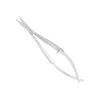 Excelta Scissors - 346B - Micro Self-Opening - Straight - SS - Blade Length .38" - 346B
$35.05
-
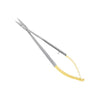 Excelta Scissors - 346-6-HT - Micro Self-Opening - Straight - SS .63" - 346-6-HT
$93.26
-
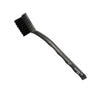 Excelta Brushes - ESD Safe - Offset - Plastic Handle - 197-ESD
$3.50
-
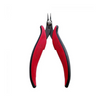 Hakko CHP PN-20-M Thin, Short Nose Pliers - PN-20-M
$12.77$11.49
-
- Gloves
-
Swabs and Applicators
Foam Tipped Swabs
-
ESD & Static Control
ESD & Static Control
- Pipettes
-
Furnaces and Ovens
Furnaces and ovens


Description
- What it is. This nitric acid is the concentrated 70% ACS reagent grade, assaying 68.0 to 70.0% HNO3 in water, offered in 500 mL and 2.5 L sizes. It is a clear, colorless to pale yellow, fuming oxidizing acid for digestion, trace-metal analysis, and synthesis.
- What ACS grade guarantees. ACS reagent nitric acid limits color to 10 APHA, residue after ignition to 5 ppm, chloride to 0.5 ppm, sulfate to 1 ppm, heavy metals and iron to 0.2 ppm each, and arsenic to 0.01 ppm. Those limits make it suitable for trace-metal digestion and standard preparation.
- How concentrated it is. At about 70% and a density of about 1.41 g/cm³, concentrated nitric acid is roughly 15.8 M (calculated). It boils near 120.5 °C, freezes near -42 °C, and releases nitrogen oxide fumes, especially when warm or exposed to light.
- An oxidizing acid. Nitric acid is both a strong acid and a strong oxidizer. It dissolves most metals, including copper and silver, converting them to soluble nitrates, and it oxidizes organic matter, which is why it is the primary acid in wet digestion for metals analysis.
- Why it yellows. Concentrated nitric acid slowly decomposes to nitrogen dioxide, oxygen, and water, and dissolved nitrogen dioxide gives older acid a yellow tint. Light and heat speed decomposition, so store it cool and dark.
- Two sizes. The 500 mL size (ZN0410-500) suits analytical benches and teaching labs, while the 2.5 L size (ZN0410-80) supports digestion labs and QC groups that use concentrated acid daily.
- Preparing dilutions. Concentrated nitric acid is the starting point for working solutions: about 380 mL diluted to 1 L gives roughly 6 M (calculated). Always add acid slowly to water in a fume hood. Lab Pro also stocks ready-made Nitric Acid 6.0 N, 500 mL.
- Where it is used. Concentrated nitric acid is used for sample digestion in ICP and AAS metal analysis, labware cleaning for trace work, metal etching and passivation of stainless steel, nitration in organic synthesis, and fertilizer and explosive production in industry.
Technical Specifications
| Chemical Name | Nitric acid, aqueous solution |
| CAS Numbers | 7697-37-2 (nitric acid); 7732-18-5 (water) |
| EC Number | 231-714-2 |
| Synonyms | Aqua fortis, hydrogen nitrate, azotic acid |
| Formula | HNO3 |
| Molecular Weight | 63.01 g/mol |
| Grade | ACS reagent |
| Assay | 68.0 to 70.0% HNO3 |
| Density | About 1.41 g/cm³ (20 °C) |
| Approximate Molarity | About 15.8 M (calculated) |
| Boiling Point | About 120.5 °C |
| Melting Point | About -42 °C |
| Vapor Pressure | About 9.4 hPa (20 °C) |
| Color (APHA) | 10 max |
| Residue after Ignition | 5 ppm max |
| Chloride (Cl) | 0.5 ppm max |
| Sulfate (SO4) | 1 ppm max |
| Heavy Metals (as Pb) | 0.2 ppm max |
| Iron (Fe) | 0.2 ppm max |
| Arsenic (As) | 0.01 ppm max |
| DOT | UN2031, Nitric acid, Class 8 (5.1), PG II |
| Exposure Limits | OSHA PEL 2 ppm TWA; NIOSH REL 2 ppm TWA, 4 ppm STEL |
| Package Sizes | 500 mL; 2.5 L |
Available Variants
- ZN0410-500: 500 mL for analytical benches and teaching labs.
- ZN0410-80: 2.5 L for digestion labs and daily QC use.
Applications / Common Uses
- Trace-metal digestion: Digests samples for ICP and AAS analysis.
- Labware acid cleaning: Removes trace metals from labware.
- Stainless steel passivation: Treats stainless steel surfaces.
- Nitration: Supplies HNO3 for organic synthesis.
- Standard preparation: Prepares dilute nitric acid solutions.
Storage, Handling & Shipping
Caution: Concentrated nitric acid is a strong oxidizer and corrosive. It causes severe skin burns and eye damage, releases toxic nitrogen oxide fumes, and can ignite or react violently with organic materials. Handle only in a fume hood with chemical splash goggles, a face shield, and acid-resistant gloves.
Store tightly closed in a cool, ventilated acid cabinet dedicated to oxidizing acids, separated from organic acids, flammables, bases, metals, and reducing agents. Concentrated nitric acid yellows over time as it decomposes to nitrogen dioxide, a process sped by light and heat, so keep it away from sunlight. When diluting, always add acid slowly to water.
- Incompatible materials: Organic materials and solvents, acetic acid and other organic acids, bases, reducing agents, metal powders, and cyanides or sulfides.
- Exposure limits: OSHA PEL 2 ppm TWA; NIOSH REL 2 ppm TWA, 4 ppm STEL.
- Spill response: Ventilate, contain with inert non-combustible absorbent, and neutralize with sodium bicarbonate or an acid spill kit.
- First aid: Skin or eyes: flush with water for at least 15 minutes and seek medical attention. Inhalation: move to fresh air; symptoms may be delayed.
Related Categories & Services
- Shop Acids for related products in this category.
- Explore ACS Grade Laboratory Chemicals and Inorganic Chemicals.
- Vendor Managed Inventory (VMI) Program: Lab Pro can stock, track, and replenish this item on site so it never runs out. Contact info@labproinc.com or 888-452-2776 to set up a VMI assessment.
Related Articles
FAQs
What is the molarity of 70% nitric acid?
At about 70% nitric acid and a density near 1.41 g/cm³, concentrated nitric acid is roughly 15.8 M. The exact value varies slightly with each lot's assay and density, so standardize any solution prepared from it when your method requires exact concentration. Check the lot certificate for the exact assay.
Why does concentrated nitric acid turn yellow?
Nitric acid slowly decomposes into nitrogen dioxide, oxygen, and water, and dissolved nitrogen dioxide gives the acid a yellow color. Light and heat speed the process, so store it cool and away from sunlight. Slight yellowing does not usually affect routine use. Replace stock that turns deep yellow or brown.
Why is ACS grade nitric acid used for metals analysis?
ACS grade limits metallic impurities such as iron, heavy metals, and arsenic to trace levels, along with chloride and sulfate. Low blank values are essential when digesting samples for trace-metal analysis by ICP or AAS, since impurities in the acid add directly to results. Check each lot certificate.
How should concentrated nitric acid be stored?
Store it tightly closed in a cool, ventilated cabinet for oxidizing acids, away from organic acids, solvents, flammables, bases, and metals. Use secondary containment, protect it from light, and never store nitric acid in the same cabinet as acetic acid. Regularly inspect stored containers for leaks or corrosion around the storage area.
What is the difference between 70% and fuming nitric acid?
Standard concentrated nitric acid is about 68 to 70% HNO3. Fuming nitric acid is far more concentrated, around 90% or more, and releases heavy nitrogen oxide fumes. Fuming grades are more hazardous and are reserved for specialized nitration and oxidation work. See Lab Pro's guide comparing fuming grades.
RELATED PRODUCTS


