- No products in the cart.

- PPE Apparel
- Chemicals
- Wipes
-
Hand Tools
Hand Tools
-
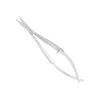 Excelta Scissors - 346B - Micro Self-Opening - Straight - SS - Blade Length .38" - 346B
$35.05
-
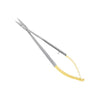 Excelta Scissors - 346-6-HT - Micro Self-Opening - Straight - SS .63" - 346-6-HT
$93.26
-
 Excelta Brushes - ESD Safe - Offset - Plastic Handle - 197-ESD
$3.50
-
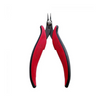 Hakko CHP PN-20-M Thin, Short Nose Pliers - PN-20-M
$12.77$11.49
-
- Gloves
-
Swabs and Applicators
Foam Tipped Swabs
-
ESD & Static Control
ESD & Static Control
- Pipettes
-
Furnaces and Ovens
Furnaces and ovens


Description
- What it is. This hydrogen peroxide is a 6% aqueous solution, supplied in a 1-gallon size. It is a clear, colorless oxidizer twice as strong as standard 3% peroxide, used for cleaning, disinfection, bleaching, and reagent applications.
- What 6% delivers. A 6% solution contains about 60 g of H2O2 per liter (roughly 1.8 M) and is often described as 20 volume, releasing about 20 volumes of oxygen per volume of liquid on complete decomposition (calculated).
- Why choose 6%. Doubling the strength speeds oxidation and stain removal and increases disinfecting power compared with 3%, while remaining far less hazardous than 30% or 35% concentrates. It is a practical middle strength for routine cleaning and processing.
- How it works. Hydrogen peroxide releases reactive oxygen species that oxidize organic matter, bleach stains, and inactivate microorganisms, breaking down into water and oxygen with no persistent residue.
- Stability. Light, heat, metals, alkalinity, and contamination accelerate decomposition. Keep the container closed in a cool, dark place, and never return used solution to stock.
- Diluting to 3%. Mixing equal volumes of 6% peroxide and deionized water gives about 3% (calculated). That makes the gallon a flexible stock for both full-strength and standard 3% uses.
- Checking strength. Because peroxide slowly decomposes, confirm strength before critical use by titration with standardized potassium permanganate in acid, or with simple peroxide test strips for routine checks.
- Related products. For standard 3% strength in smaller volumes, see Lab Pro's Hydrogen Peroxide 3% (500 mL, 1 Gallon). For higher strength, see Hydrogen Peroxide 35%, 1 Pint.
- Handling. Six-percent hydrogen peroxide can irritate or damage eyes and may irritate skin with prolonged contact. Wear safety glasses or goggles and gloves, and rinse splashes with water. For concentrate, see Lab Pro's Hydrogen Peroxide 30 to 32%, 1 Pint.
- Where it is used. Six-percent hydrogen peroxide is used to clean and disinfect surfaces and equipment, bleach and remove stains, support cosmetic and hair-care formulation work, support aquarium and pond treatment studies, support teaching labs, and serve as a stock for 3% solutions.
Technical Specifications
| Chemical Name | Hydrogen peroxide, aqueous solution |
| CAS Numbers | 7722-84-1 (hydrogen peroxide); 7732-18-5 (water) |
| EC Number | 231-765-0 |
| Synonyms | Hydrogen dioxide, perhydrol (concentrated), peroxide |
| Formula (active) | H2O2 |
| Molecular Weight (active) | 34.01 g/mol |
| Concentration | 6% |
| H2O2 Content | About 60 g/L (calculated) |
| Approximate Molarity | About 1.8 M (calculated) |
| Volume Strength | About 20 volumes (calculated) |
| Appearance | Clear, colorless liquid |
| Decomposition Products | Water and oxygen |
| Hazard Classification | Eye irritant or eye damage at this strength (confirm on SDS) |
| Package Size | 1 gallon |
Applications / Common Uses
- Surface disinfection: Cleans and disinfects equipment and benches.
- Bleaching: Removes stains and whitens materials.
- Formulation work: Supports cosmetic and hair-care development.
- Teaching labs: Demonstrates oxidation and decomposition.
- 3% stock: Dilutes 1+1 to standard 3% strength.
Storage, Handling & Shipping
Store tightly closed in a cool, dark place away from heat and direct sunlight. Hydrogen peroxide slowly decomposes to water and oxygen, and light, heat, and contamination speed that process, so keep the container closed and never return used solution to stock.
- Incompatible materials: Strong reducing agents, metals and metal salts, and organic contaminants.
- Personal protection: Safety glasses and gloves.
- Spill response: Dilute with water and wipe up.
- First aid: Eyes: rinse with water for several minutes and seek medical advice if irritation persists.
Related Categories & Services
- Shop Oxidizers for related products in this category.
- Explore Oxidizers by Lab Pro and Buffers, Standards & Solutions.
- Vendor Managed Inventory (VMI) Program: Lab Pro can stock, track, and replenish this item on site so it never runs out. Contact info@labproinc.com or 888-452-2776 to set up a VMI assessment.
Related Articles
FAQs
What is the difference between 3% and 6% hydrogen peroxide?
Six-percent peroxide contains twice the active ingredient, about 60 g per liter versus 30 g, and releases about twenty volumes of oxygen instead of ten. It works faster for cleaning and bleaching but is more irritating to eyes and skin, so wear goggles and gloves.
How do I make 3% hydrogen peroxide from 6%?
Mix equal volumes of 6% hydrogen peroxide and deionized water. For example, 500 mL of 6% diluted to 1 liter gives about 3%. Use clean labware, label the diluted solution, and use it within a reasonable period, since dilute peroxide slowly decomposes. Wear safety glasses while mixing.
What does 20 volume hydrogen peroxide mean?
It means each volume of solution can release about twenty volumes of oxygen gas on complete decomposition. Six-percent hydrogen peroxide corresponds to about 20 volume, a strength common in cosmetic and hair-care products as well as in cleaning applications. Higher volume numbers mean stronger solutions, so check the strength before use.
Is 6% hydrogen peroxide hazardous?
It can cause eye irritation or damage and may irritate skin with prolonged contact, though it is far less hazardous than 30% or 35% concentrates. Wear safety glasses or goggles and gloves, avoid contact with eyes, and rinse any splashes promptly with plenty of water.
How should 6% hydrogen peroxide be stored?
Keep it tightly closed in a cool, dark place away from heat, sunlight, metals, and reducing agents. Avoid contaminating the stock with dirty pipettes or labware, and never return used solution to the container, since contamination speeds decomposition. Light-resistant storage helps preserve strength between uses.
RELATED PRODUCTS


