- No products in the cart.

- PPE Apparel
- Chemicals
- Wipes
-
Hand Tools
Hand Tools
-
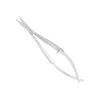 Excelta Scissors - 346B - Micro Self-Opening - Straight - SS - Blade Length .38" - 346B
$35.05
-
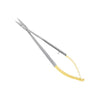 Excelta Scissors - 346-6-HT - Micro Self-Opening - Straight - SS .63" - 346-6-HT
$93.26
-
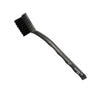 Excelta Brushes - ESD Safe - Offset - Plastic Handle - 197-ESD
$3.50
-
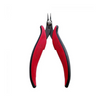 Hakko CHP PN-20-M Thin, Short Nose Pliers - PN-20-M
$12.77$11.49
-
- Gloves
-
Swabs and Applicators
Foam Tipped Swabs
-
ESD & Static Control
ESD & Static Control
- Pipettes
-
Furnaces and Ovens
Furnaces and ovens


Description
- What it is. This hydrogen peroxide is a dilute 3% (v/v) solution, available in 500 mL and 1 gallon sizes. It is a clear, colorless, mild oxidizer used for cleaning, disinfection, and laboratory reagent applications.
- What 3% delivers. A 3% solution contains about 30 g of H2O2 per liter (roughly 0.9 M) and is often described as 10 volume, meaning it can release about 10 volumes of oxygen upon complete decomposition (calculated). That strength works for many cleaning and disinfecting tasks while being far safer to handle than concentrated peroxide.
- How it works. Hydrogen peroxide releases reactive oxygen species that oxidize organic matter, break down stains, and inactivate microorganisms. It decomposes to water and oxygen, leaving no persistent residue.
- Laboratory uses. In the lab, 3% hydrogen peroxide is used for the catalase test in microbiology, where bubbling indicates catalase-producing organisms; for cleaning and disinfecting benches and equipment; for removing organic stains; and as an oxidizing reagent in teaching experiments.
- Stability. Even dilute peroxide slowly decomposes, especially when exposed to light, heat, metals, or contamination. Keep the container closed and in a cool, dark place, and replace stock that no longer fizzes vigorously on contact with a catalase-positive organism or a drop of blood.
- Two sizes. The 500 mL size (HP6300-500) suits benchtop use and teaching labs, while the 1 gallon size (HP6300-38) supports routine cleaning and higher-volume reagent use.
- The catalase test in detail. To perform the test, place a small amount of colony on a slide and add a drop of 3% hydrogen peroxide. Immediate bubbling shows catalase activity, which helps classify bacterial isolates in microbiology.
- Handling. Three-percent hydrogen peroxide is mild but can irritate eyes. Wear safety glasses, avoid eye contact, and rinse splashes with water. For stronger solutions, see Lab Pro's Hydrogen Peroxide 6%, 1 Gallon and Hydrogen Peroxide 30 to 32%, 1 Pint.
- Where it is used. Three-percent hydrogen peroxide is used in microbiology labs, teaching labs, cleanrooms and general surface cleaning, equipment and electronics cleaning, and as a mild oxidizer in sample preparation and demonstrations.
Technical Specifications
| Chemical Name | Hydrogen peroxide, aqueous solution |
| CAS Numbers | 7722-84-1 (hydrogen peroxide); 7732-18-5 (water) |
| EC Number | 231-765-0 |
| Synonyms | Hydrogen dioxide, perhydrol (concentrated), peroxide |
| Formula (active) | H2O2 |
| Molecular Weight (active) | 34.01 g/mol |
| Concentration | 3% (labeled v/v) |
| H2O2 Content | About 30 g/L (calculated) |
| Approximate Molarity | About 0.9 M (calculated) |
| Volume Strength | About 10 volumes (calculated) |
| Appearance | Clear, colorless liquid |
| Decomposition Products | Water and oxygen |
| Hazard Classification | Eye irritant at this strength (confirm on SDS) |
| Package Sizes | 500 mL; 1 gallon |
Available Variants
- HP6300-500: 500 mL for benchtop and teaching use.
- HP6300-38: 1 gallon for routine cleaning and higher-volume use.
Applications / Common Uses
- Catalase test: Identifies catalase-positive microorganisms.
- Surface disinfection: Cleans and disinfects benches and equipment.
- Stain removal: Oxidizes organic stains.
- Electronics cleaning: Cleans components with a mild oxidizer.
- Teaching labs: Demonstrates decomposition and oxidation.
Storage, Handling & Shipping
Store tightly closed in a cool, dark place away from heat and direct sunlight. Hydrogen peroxide slowly decomposes to water and oxygen, and light, heat, and contamination speed that process, so keep the container closed and never return used solution to stock.
- Incompatible materials: Strong reducing agents, metals and metal salts, and organic contaminants.
- Personal protection: Safety glasses and gloves.
- Spill response: Dilute with water and wipe up.
- First aid: Eyes: rinse with water for several minutes and seek medical advice if irritation persists.
Related Categories & Services
- Shop Oxidizers for related products in this category.
- Explore Oxidizers by Lab Pro and Buffers, Standards & Solutions.
- Vendor Managed Inventory (VMI) Program: Lab Pro can stock, track, and replenish this item on site so it never runs out. Contact info@labproinc.com or 888-452-2776 to set up a VMI assessment.
Related Articles
FAQs
What is 3% hydrogen peroxide used for in the lab?
It is used for the catalase test in microbiology, for cleaning and disinfecting benches and equipment, for removing organic stains, and as a mild oxidizing reagent in teaching experiments. Its low strength makes it practical for routine use with basic eye protection. Rinse eyes with water if splashed.
What does 10 volume hydrogen peroxide mean?
Volume strength describes how much oxygen the solution can release. A 3% solution can release about ten volumes of oxygen gas per volume of liquid on complete decomposition, so it is often called 10 volume peroxide in cosmetic and industrial contexts. It is the strength most often sold for general use.
Is 3% (v/v) the same as 3% (w/w)?
Not exactly. Peroxide strength is usually stated by weight, while this product is labeled by volume. At 3%, the practical difference is small, but confirm the basis on the label or certificate if your method requires an exact concentration. For routine cleaning and catalase testing, either basis performs the same way.
How do I know if hydrogen peroxide is still active?
Fresh hydrogen peroxide bubbles vigorously when it contacts catalase, for example from a drop of blood or a catalase-positive bacterial colony. Weak or no bubbling indicates decomposition. For exact strength, titrate with standardized potassium permanganate in acid. Replace stock that shows weak bubbling, since decomposed peroxide gives false results in tests.
Which size should I choose?
Choose 500 mL for benchtop use and teaching labs, where stock is used up while still fresh. Choose 1 gallon for routine cleaning or higher-volume reagent use. Since peroxide slowly decomposes, buying a size you can use within a reasonable period keeps strength consistent. Both contain the same solution.
RELATED PRODUCTS


