- No products in the cart.

- PPE Apparel
- Chemicals
- Wipes
-
Hand Tools
Hand Tools
-
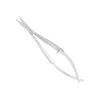 Excelta Scissors - 346B - Micro Self-Opening - Straight - SS - Blade Length .38" - 346B
$35.05
-
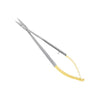 Excelta Scissors - 346-6-HT - Micro Self-Opening - Straight - SS .63" - 346-6-HT
$93.26
-
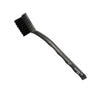 Excelta Brushes - ESD Safe - Offset - Plastic Handle - 197-ESD
$3.50
-
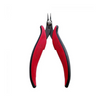 Hakko CHP PN-20-M Thin, Short Nose Pliers - PN-20-M
$12.77$11.49
-
- Gloves
-
Swabs and Applicators
Foam Tipped Swabs
-
ESD & Static Control
ESD & Static Control
- Pipettes
-
Furnaces and Ovens
Furnaces and ovens


Description
- What it is. This hydrofluoric acid 6:1 solution is an HF-based etchant supplied in a 500 mL size for controlled removal of silicon dioxide and other oxide films. It is designed for semiconductor, MEMS, and research applications where concentrated HF etches too quickly.
- What 6:1 usually means. In microfabrication, a 6:1 HF etchant most often refers to buffered oxide etch (BOE): six parts by volume of 40% ammonium fluoride solution to one part of 49% hydrofluoric acid. A typical 6:1 BOE contains roughly 34% ammonium fluoride and 7% HF. Confirm this product's composition on the label or SDS before use.
- Why buffer HF. Concentrated HF etches silicon dioxide too quickly for good process control and can lift photoresist. Ammonium fluoride buffers the solution, keeping the fluoride activity and etch rate steady as HF is consumed, which gives more uniform, repeatable etches.
- Etch rate. A standard 6:1 BOE etches thermally grown oxide at about 2 nm/s at 25 °C. Rate rises with temperature, and gentle agitation keeps the etch uniform by clearing reaction products from the surface.
- Choosing the strength. Etchant ratios range from about 4:1 to 100:1. A 6:1 mixture is relatively strong and suits thicker films; higher ratios such as 20:1 are gentler for thin films. Lab Pro also supplies Ammonium Fluoride Solution, 40% (w/v), and Hydrofluoric Acid 49%, ACS Grade, for preparing custom ratios.
- Process control tips. Etch rate depends on film type, temperature, and solution age. Measure film thickness before and after etching test pieces, agitate gently for uniform results, and rinse immediately in deionized water to stop the etch at the target depth.
- Compatible labware. Use only polyethylene, polypropylene, or fluoropolymer labware. Fluoride etchants attack glass, quartz, and ceramics.
- Hazards remain. Buffering reduces the free HF, but fluoride still penetrates skin and can cause delayed, deep burns and systemic poisoning. All HF precautions apply, including HF-rated gloves, a face shield, and calcium gluconate gel within reach; Lab Pro offers Calgonate 2.5% Calcium Gluconate Gel.
- Where it is used. HF 6:1 etchant is used for patterning and stripping silicon dioxide and silicon nitride in wafer processing, MEMS release steps, cleaning oxide from silicon before deposition, and research cleanrooms that need a controlled, repeatable oxide etch.
Technical Specifications
| Product | Hydrofluoric acid etchant, 6:1 |
| Typical Composition (6:1 BOE) | About 34% ammonium fluoride, 7% HF, 59% water (confirm on SDS) |
| Typical Mixing Ratio | 6 volumes 40% NH4F : 1 volume 49% HF |
| CAS Numbers | 7664-39-3 (hydrogen fluoride); 12125-01-8 (ammonium fluoride, if buffered); 7732-18-5 (water) |
| Formula (HF) | HF, 20.01 g/mol |
| Typical Etch Rate | About 2 nm/s on thermal oxide at 25 °C |
| Etches | Silicon dioxide, silicon nitride, glass |
| Compatible Labware | Polyethylene, polypropylene, fluoropolymer |
| Appearance | Clear, colorless liquid |
| Hazard Profile | Toxic and corrosive fluoride etchant; confirm GHS classification on SDS |
| First Aid Requirement | Calcium gluconate gel on hand |
| Package Size | 500 mL |
Applications / Common Uses
- Oxide patterning: Etches silicon dioxide through photoresist masks.
- Oxide stripping: Removes native and thermal oxide.
- MEMS release: Dissolves sacrificial oxide layers.
- Pre-deposition cleaning: Clears oxide from silicon surfaces.
- Nitride etching: Removes silicon nitride films at a slower rate.
Storage, Handling & Shipping
Caution: Hydrofluoric acid is acutely toxic and corrosive. Skin contact may cause delayed, deep tissue injury and potentially fatal systemic fluoride poisoning, sometimes without immediate pain. Handle only in a fume hood with HF-rated gloves, a face shield, goggles, and an apron, and keep calcium gluconate gel within reach.
Store tightly closed in polyethylene, polypropylene, or fluoropolymer containers in a cool, ventilated, locked corrosives area, away from glass, ceramics, metals, bases, and oxidizers. Restrict access to trained users, and keep calcium gluconate gel and an HF-specific spill kit nearby.
- Incompatible materials: Glass, ceramics, concrete, metals, bases, and oxidizers.
- Exposure limits (hydrogen fluoride): OSHA PEL 3 ppm TWA; NIOSH REL 3 ppm TWA, 6 ppm ceiling (15 min).
- Spill response: Evacuate, ventilate, and use an HF-specific spill kit or calcium-based absorbent. Do not use silica-based absorbents.
- First aid: Skin: rinse with water, apply calcium gluconate gel, and seek emergency care. Eyes: flush for 15 minutes and seek immediate care.
Related Categories & Services
- Shop Acids for related products in this category.
- Explore Inorganic Chemicals and ACS Grade Laboratory Chemicals.
- Vendor Managed Inventory (VMI) Program: Lab Pro can stock, track, and replenish this item on site so it never runs out. Contact info@labproinc.com or 888-452-2776 to set up a VMI assessment.
Related Articles
FAQs
What does 6:1 mean for an HF etchant?
In microfabrication, 6:1 usually means six parts by volume of 40% ammonium fluoride solution to one part of 49% hydrofluoric acid, known as buffered oxide etch. Some suppliers use ratios differently, so confirm this product's exact composition on the label or safety data sheet. Ask Lab Pro if the documentation is unclear.
How fast does 6:1 BOE etch silicon dioxide?
A standard 6:1 buffered oxide etch removes thermally grown silicon dioxide at roughly 2 nanometers per second at 25 °C. Deposited oxides usually etch faster. Temperature and agitation affect the rate, so run test pieces to calibrate etch time for your films. Record etch times for each film type.
Why use buffered HF instead of 49% HF?
Concentrated HF etches oxide too quickly for precise control and can lift photoresist. Buffering with ammonium fluoride keeps fluoride activity steady, giving slower, more uniform etching that is easier to time and less damaging to masking layers. The buffered solution also holds its etch rate longer as HF is consumed, which improves repeatability between runs.
Is buffered oxide etch less hazardous than HF?
Buffering lowers free HF, but the solution still contains fluoride that penetrates skin and can cause deep, delayed burns and systemic toxicity. Handle it with full HF precautions, including HF-rated gloves, a face shield, a fume hood, and calcium gluconate gel within reach. Never work with it alone.
Can I make my own 6:1 etchant?
Yes, by mixing six volumes of 40% ammonium fluoride with one volume of 49% hydrofluoric acid in fluoropolymer or polyethylene labware inside a fume hood. Buying it premixed avoids handling concentrated HF and gives consistent composition from batch to batch. Mixing in-house also requires handling 49% HF, the most hazardous step.
RELATED PRODUCTS


