- No products in the cart.

- PPE Apparel
- Chemicals
- Wipes
-
Hand Tools
Hand Tools
-
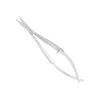 Excelta Scissors - 346B - Micro Self-Opening - Straight - SS - Blade Length .38" - 346B
$35.05
-
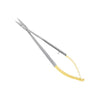 Excelta Scissors - 346-6-HT - Micro Self-Opening - Straight - SS .63" - 346-6-HT
$93.26
-
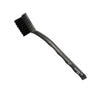 Excelta Brushes - ESD Safe - Offset - Plastic Handle - 197-ESD
$3.50
-
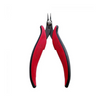 Hakko CHP PN-20-M Thin, Short Nose Pliers - PN-20-M
$12.77$11.49
-
- Gloves
-
Swabs and Applicators
Foam Tipped Swabs
-
ESD & Static Control
ESD & Static Control
- Pipettes
-
Furnaces and Ovens
Furnaces and ovens


Description
- What it is. This hydrochloric acid is a 32% (w/w) aqueous solution of hydrogen chloride, supplied in a 1 gallon size. It is a clear, fuming, strongly corrosive acid used where high acid strength is needed but full 37% concentration is not required.
- What 32% w/w means. The concentration is by weight: every 100 g of solution contains 32 g of hydrogen chloride. With a density of about 1.16 g/cm³, that equals roughly 371 g of HCl per liter, or about 10.2 M (calculated).
- Also known as muriatic acid. Hydrochloric acid has long been sold as muriatic acid, especially at industrial strengths of 30 to 32%. Whatever the name, it is the same chemical: hydrogen chloride dissolved in water.
- A strong, complete acid. HCl dissociates completely in water, which makes it one of the most powerful common acids for dissolving metal oxides, carbonates, and scale. It reacts with carbonate deposits to release carbon dioxide and with many metals to release hydrogen gas.
- Why 32%. A 32% solution fogs less than 37% acid and is a common technical- and industrial-strength option, while still delivering high reactivity for cleaning, pickling, and pH control. It is a practical choice for applications that do not need ACS reagent purity.
- Diluting safely. To prepare working solutions, add the acid slowly to water with stirring in a fume hood; never add water to acid, and let the mixture cool. A 1+1 dilution by volume gives roughly 5 M acid (calculated).
- Handling at a glance. Open 32% hydrochloric acid only in a fume hood, since it releases hydrogen chloride fumes. Wear chemical splash goggles, a face shield, and acid-resistant gloves, and store containers in a ventilated corrosives cabinet with secondary containment.
- Grade and purity. This 32% acid is suited to cleaning, pickling, pH control, and general preparation work. For trace-metal analysis or standard preparation, ACS reagent 37% hydrochloric acid with defined impurity limits is the better choice.
- Where it is used. Laboratories and production areas use 32% hydrochloric acid for metal pickling and oxide removal, descaling equipment, etching, pH adjustment of process water and effluent, regenerating ion exchange resins, and preparing diluted acid solutions.
Technical Specifications
| Chemical Name | Hydrochloric acid, aqueous solution |
| CAS Numbers | 7647-01-0 (hydrogen chloride); 7732-18-5 (water) |
| EC Number (HCl) | 231-595-7 |
| Synonyms | Hydrogen chloride solution, muriatic acid, spirits of salt |
| Formula (active) | HCl |
| Molecular Weight (active) | 36.46 g/mol |
| Concentration | 32% (w/w) |
| Assay (comparable products) | 32.0% min |
| Density | About 1.16 g/cm³ (20 °C) |
| Approximate Molarity | About 10.2 M (calculated) |
| HCl per Liter | About 371 g (calculated) |
| Melting Point | About -50 °C |
| Appearance | Clear, colorless to slightly yellow, fuming liquid |
| Hazard Statements | H290 (corrosive to metals), H314 (severe burns), H335 (respiratory irritation) |
| DOT | UN1789, Hydrochloric acid, Class 8, PG II |
| Package Size | 1 gallon |
Applications / Common Uses
- Metal pickling: Removes rust and oxide scale from steel.
- Descaling: Dissolves carbonate scale from equipment.
- pH control: Adjusts pH of process water and effluent.
- Ion exchange regeneration: Regenerates cation exchange resins.
- Acid dilutions: Prepares working-strength acid solutions.
Storage, Handling & Shipping
Caution: This hydrochloric acid causes severe skin burns and eye damage, releases irritating hydrogen chloride fumes, and is corrosive to metals. Handle only in a fume hood with chemical splash goggles, a face shield, and acid-resistant gloves, and keep a neutralizing spill kit nearby.
Store tightly closed in a cool, well-ventilated corrosives cabinet, away from bases, oxidizers, metals, and cyanide or sulfide salts, which release toxic gases with acid. Concentrated hydrochloric acid releases hydrogen chloride fumes, so open containers in a fume hood and keep them closed when not dispensing. When diluting, always add acid slowly to water, never water to acid.
- Incompatible materials: Bases, oxidizers (including bleach and permanganate), reactive metals, cyanides, and sulfides.
- Exposure limit (hydrogen chloride): OSHA PEL and NIOSH REL: 5 ppm ceiling.
- Spill response: Ventilate, contain, and neutralize with sodium bicarbonate or an acid spill kit before cleanup.
- First aid: Skin or eyes: flush with water for at least 15 minutes and seek medical attention. Inhalation: move to fresh air.
Related Categories & Services
- Shop Acids for related products in this category.
- Explore Inorganic Chemicals and ACS Grade Laboratory Chemicals.
- Vendor Managed Inventory (VMI) Program: Lab Pro can stock, track, and replenish this item on site so it never runs out. Contact info@labproinc.com or 888-452-2776 to set up a VMI assessment.
Related Articles
FAQs
What is the difference between 32% and 37% hydrochloric acid?
Both are concentrated hydrochloric acid. The 37% grade contains more hydrogen chloride, about 12 M, and fumes more strongly, while 32% is about 10.2 M. The 32% strength is common for technical and industrial uses where full concentration or reagent purity is not needed. Choose by the strength your process requires.
Is 32% hydrochloric acid the same as muriatic acid?
Muriatic acid is a traditional name for hydrochloric acid, commonly used for industrial strengths around 30 to 32%. The chemistry is the same: hydrogen chloride dissolved in water. Always check the stated concentration, since products sold as muriatic acid vary in strength. Purity and trace impurities also vary.
How do I dilute 32% hydrochloric acid safely?
Work in a fume hood, wear goggles, a face shield, and acid-resistant gloves, and add the acid slowly to cold water while stirring. Never add water to acid. Let the solution cool before adjusting the final volume, since dilution releases heat. Label the diluted solution with its concentration.
What is 32% hydrochloric acid used for?
It is used for metal pickling and rust removal, descaling equipment, etching, adjusting pH in process water and effluent, regenerating ion exchange resins, and preparing diluted acids. Its high strength makes it effective at dissolving oxides and carbonate deposits. It is also used to prepare diluted acid solutions for cleaning and testing.
How is 32% hydrochloric acid shipped?
It ships as a regulated corrosive under UN1789, Hydrochloric acid, Class 8, Packing Group II. Ground transport with appropriate hazmat handling is typical. Confirm the shipping description and any carrier restrictions on the product safety data sheet. Larger orders may require freight shipment, and some carriers restrict corrosives to specific services.
RELATED PRODUCTS


