- No products in the cart.

- PPE Apparel
- Chemicals
- Wipes
-
Hand Tools
Hand Tools
-
 Excelta Scissors - 346B - Micro Self-Opening - Straight - SS - Blade Length .38" - 346B
$35.05
-
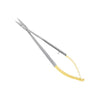 Excelta Scissors - 346-6-HT - Micro Self-Opening - Straight - SS .63" - 346-6-HT
$93.26
-
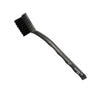 Excelta Brushes - ESD Safe - Offset - Plastic Handle - 197-ESD
$3.50
-
 Hakko CHP PN-20-M Thin, Short Nose Pliers - PN-20-M
$12.77$11.49
-
- Gloves
-
Swabs and Applicators
Foam Tipped Swabs
-
ESD & Static Control
ESD & Static Control
- Pipettes
-
Furnaces and Ovens
Furnaces and ovens


Description
- What it is. This ferrous ammonium sulfate solution is a 0.4 N reductometric titrant, supplied in a 1-gallon size. It is prepared by dissolving ferrous ammonium sulfate hexahydrate (Mohr's salt) in water acidified with sulfuric acid, providing iron(II) for redox titrations.
- Chemical identity. Ferrous ammonium sulfate hexahydrate, (NH4)2Fe(SO4)2·6H2O (CAS 7783-85-9, 392.14 g/mol), is a double salt of iron(II) sulfate and ammonium sulfate. It crystallizes readily and resists air oxidation better than plain ferrous sulfate, so it is the preferred source of iron(II) for standard solutions.
- Molar equals normal. Each iron(II) ion gives up one electron when oxidized to iron(III), so for ferrous ammonium sulfate the equivalent weight equals the formula weight and normality equals molarity. A 0.4 N solution is therefore 0.4 M, about 156.9 g of the hexahydrate per liter (calculated).
- How it works as a titrant. Iron(II) is oxidized by dichromate, permanganate, cerium(IV), chlorine, and other oxidizers. These reactions let FAS determine oxidizing agents directly or back-titrate the excess oxidant left after a sample reaction, a common approach for organic matter and oxidizable species.
- Why sulfuric acid is included. Acid suppresses iron(II) hydrolysis and slows its oxidation by air. Even so, ferrous solutions slowly lose strength as iron(II) converts to iron(III), so standardize against potassium dichromate or another primary oxidant before critical work and periodically thereafter.
- Back-titration in oxidation methods. In many methods, a sample reacts with a measured excess of potassium dichromate in acid, then the unreacted dichromate is titrated with FAS. The amount of dichromate consumed by the sample is calculated from the difference between the blank and sample titrations.
- Why a 0.4 N strength. A relatively strong FAS titrant keeps volumes practical when samples or oxidant excesses are large, and it serves as a convenient stock for preparing weaker working solutions by accurate dilution with deionized water.
- Endpoint detection. FAS titrations use a redox indicator such as ferroin or diphenylamine sulfonate, or a potentiometric endpoint with a platinum electrode. Choose the indicator your method specifies for the oxidant being titrated.
- Handling at a glance. The solution is acidic and can irritate skin and eyes. Wear safety glasses and nitrile gloves, keep it away from oxidizers, and collect iron- and acid-containing waste for proper disposal.
Technical Specifications
| Chemical Name | Ammonium iron(II) sulfate hexahydrate, aqueous solution with sulfuric acid |
| Synonyms | Ferrous ammonium sulfate, FAS, Mohr's salt solution, ammonium iron(II) sulfate |
| CAS Numbers | 7783-85-9 (ferrous ammonium sulfate hexahydrate); 7664-93-9 (sulfuric acid); 7732-18-5 (water) |
| Formula (active) | (NH4)2Fe(SO4)2·6H2O |
| Molecular Weight (active) | 392.14 g/mol |
| Equivalent Weight | 392.14 (molar = normal) |
| Concentration | 0.4 N (0.4 M) |
| FAS Content | About 156.9 g/L hexahydrate (calculated) |
| Iron(II) per mL | 0.4 mmol; about 22.3 mg Fe (calculated) |
| Reacts With | Dichromate, permanganate, cerium(IV), chlorine, and other oxidizers |
| Stability | Iron(II) slowly oxidizes in air; restandardize periodically |
| Physical State | Liquid, acidified aqueous solution |
| Storage | Room temperature, tightly closed, away from oxidizers |
| Package Size | 1 gallon |
Applications / Common Uses
- Dichromate back-titration: Titrates excess dichromate after sample oxidation.
- Oxidant assays: Determines permanganate, cerium(IV), and other oxidizers.
- Chlorine determination: Serves as the reductant in titrimetric chlorine methods.
- Working-solution stock: Dilutes to weaker FAS titrants.
- Teaching labs: Demonstrates redox titration with a stable iron(II) source.
Storage, Handling & Shipping
Store the solution tightly closed at room temperature, away from oxidizers and direct light, and keep the headspace small to limit air contact. Re-standardize before critical use, since iron(II) slowly oxidizes to iron(III) over time.
- Incompatible materials: Strong oxidizers, strong bases, and reactive metals.
- Personal protection: Safety glasses and nitrile gloves.
- Spill response: Absorb with inert material, neutralize residue with sodium bicarbonate, and rinse with water.
- First aid: Eyes or skin: rinse with water for several minutes. Ingestion: rinse mouth and seek medical advice.
Related Categories & Services
- Shop Inorganic Chemicals for related products in this category.
- Explore Buffers, Standards & Solutions and ACS Grade Laboratory Chemicals.
- Vendor Managed Inventory (VMI) Program: Lab Pro can stock, track, and replenish this item on site so it never runs out. Contact info@labproinc.com or 888-452-2776 to set up a VMI assessment.
Related Articles
FAQs
What is ferrous ammonium sulfate used for?
Ferrous ammonium sulfate is a reductometric titrant. Its iron(II) is oxidized by dichromate, permanganate, cerium(IV), and chlorine, so it is used to determine those oxidizers directly or to back-titrate the excess left after a sample reaction. It is valued because it resists oxidation by air better than ferrous sulfate.
Why is normality the same as molarity for FAS?
Each iron(II) ion transfers one electron when oxidized to iron(III), so one mole of ferrous ammonium sulfate equals one equivalent. That makes the equivalent weight equal to the formula weight (392.14), so a 0.4 N solution is also 0.4 M; no conversion factor is needed between the two.
Why do I need to restandardize FAS solution?
Iron(II) slowly reacts with oxygen to form iron(III), which lowers the solution's strength over time. Standardize against potassium dichromate or another primary oxidant when opening the solution and before critical work, and keep the container tightly closed to slow the change. Record each standardization result on the label.
Which indicator is used with ferrous ammonium sulfate?
Redox indicators such as ferroin or diphenylamine sulfonate are common, and many labs use a potentiometric endpoint with a platinum electrode. The right choice depends on the oxidant being titrated, so follow the indicator and conditions your method or standard operating procedure specifies. Use the same endpoint method consistently.
Can I dilute 0.4 N FAS to make weaker titrants?
Yes. Dilute accurately with deionized water containing a little sulfuric acid to keep the iron(II) stable, using C1V1 = C2V2. For example, 250 mL diluted to 1 L gives 0.1 N. Standardize the diluted solution before use, since dilution does not stop air oxidation. Label the diluted solution clearly.
RELATED PRODUCTS


