- No products in the cart.

- PPE Apparel
- Chemicals
- Wipes
-
Hand Tools
Hand Tools
-
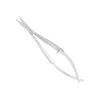 Excelta Scissors - 346B - Micro Self-Opening - Straight - SS - Blade Length .38" - 346B
$35.05
-
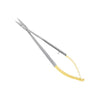 Excelta Scissors - 346-6-HT - Micro Self-Opening - Straight - SS .63" - 346-6-HT
$93.26
-
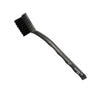 Excelta Brushes - ESD Safe - Offset - Plastic Handle - 197-ESD
$3.50
-
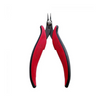 Hakko CHP PN-20-M Thin, Short Nose Pliers - PN-20-M
$12.77$11.49
-
- Gloves
-
Swabs and Applicators
Foam Tipped Swabs
-
ESD & Static Control
ESD & Static Control
- Pipettes
-
Furnaces and Ovens
Furnaces and ovens


Description
- What it is. This pH 7 buffer standard is a clear, colorless reference solution for calibrating pH meters and electrodes at neutral pH. It is supplied in a 500 mL size.
- Why pH 7 comes first. A pH electrode produces nearly 0 mV at pH 7, so this buffer sets the meter's zero point, or offset. Nearly every calibration routine starts here, then adds pH 4, pH 10, or both to set the slope.
- How a buffer holds its pH. A buffer contains a weak acid and its conjugate base, or a weak base and its conjugate acid, in balanced amounts. When small amounts of acid or base enter the solution, one partner neutralizes them, so the pH barely moves. That resistance to change is what makes a buffer a reliable reference point for calibration, unlike plain water.
- Why choose a clear buffer. Clear buffers contain no dye, unlike color-coded yellow pH 7 buffers. That avoids dye residues on electrodes, labware, and sample cups, makes contamination or cloudiness easy to see, and suits labs that prefer dye-free standards for sensitive or colorimetric work. Labeling, rather than color, identifies the buffer, so keep containers clearly marked.
- Size for routine use. The 500 mL size suits benches that calibrate several times a week and want fresh stock without large volumes sitting open. For higher volumes, Lab Pro also offers color-coded Buffer Solution pH 7, Yellow in a 1-gallon size.
- Temperature matters. Buffer pH shifts slightly with temperature, so the stated value applies at 25 °C. Calibrate at the same temperature as your samples, use automatic temperature compensation if your meter has it, and apply temperature-correction values supplied with the buffer when they are provided.
- Calibration best practice. Rinse the electrode with deionized water and blot it gently between buffers, immerse it in a fresh portion of buffer in a clean beaker, stir gently, and wait for a stable reading before accepting each point. Calibrate before each day's measurements, or more often as the method requires, and record the meter-reported slope to track electrode health.
- Where it is used. Use clear pH 7 buffer for calibration and daily verification in water and wastewater labs, environmental testing, pharmaceutical and biotech QC, food and beverage labs, and teaching labs. It pairs with Lab Pro's Buffer Standard, Clear, pH 7 / pH 9 and other buffers for two- or three-point calibration.
Technical Specifications
| Product | pH 7 buffer standard, clear |
| Nominal pH | 7 at 25 °C |
| Color | Clear (colorless) |
| Use | pH meter zero-point (offset) calibration |
| Physical State | Liquid, aqueous solution |
| Reference Temperature | 25 °C |
| Calibration Role | Zero point (offset) |
| Recommended Pairing | pH 4, pH 9, or pH 10 |
| Odor | Odorless (typical for aqueous pH buffers) |
| Specific Gravity | Approx. 1.0 (typical for aqueous pH buffers) |
| Melting / Boiling Point | Approx. 0 °C / 100 °C (aqueous) |
| Storage | Room temperature, tightly closed, protected from light and freezing |
| Open-Container Stability | Acidic/neutral: low CO2 sensitivity; protect from contamination |
| Package Size | 500 mL |
Applications / Common Uses
- Zero-point calibration: Sets the meter offset at the start of each calibration.
- Daily meter verification: Confirms the meter reads correctly before sample runs.
- Dye-free workflows: Avoids dye residues on electrodes and labware.
- Two- and three-point calibration: Pairs with other buffers to set electrode slope.
- Electrode troubleshooting: Reveals offset drift from fouled or aging electrodes.
Storage, Handling & Shipping
Store the buffer tightly closed at room temperature, protected from light and freezing. Because it has no color code, keep the label intact and legible, pour portions into a clean beaker for each calibration, and discard used buffer.
- Storage temperature: Store at room temperature and protect from light and freezing.
- Contamination control: Pour the amount needed into a clean beaker; never return used buffer to stock or dip an electrode into the stock container.
- Shelf life: Use before the expiration date on the label; once opened, use within the period stated on the certificate or label.
- Rinsing: Rinse electrodes with deionized water between buffers to prevent carryover.
- Identification: Keep the original label legible; clear buffers cannot be identified by color.
Related Categories & Services
- Shop PH Buffers & Test Kits for related products in this category.
- Explore pH Buffers and Buffers, Standards & Solutions.
- Vendor Managed Inventory (VMI) Program: Lab Pro can stock, track, and replenish this item on site so it never runs out. Contact info@labproinc.com or 888-452-2776 to set up a VMI assessment.
Related Articles
FAQs
What is the difference between clear and yellow pH 7 buffer?
Both calibrate the meter's zero point at pH 7. Yellow buffers carry a dye for quick identification, while clear buffers contain no dye. Clear buffers avoid dye residues and make contamination easier to see, but they rely on labeling instead of color, so keep containers clearly marked.
Why do pH meters calibrate at pH 7 first?
A glass pH electrode produces close to zero millivolts at pH 7, so this point defines the meter's offset. Setting the offset first gives the meter a stable reference, and the second or third buffer then sets the slope. Most meters prompt for pH 7 first for this reason.
When should I choose a colorless buffer?
Choose a colorless buffer when dye residues could interfere with your work, such as colorimetric checks, dye-sensitive samples, or electrodes you want to keep free of staining. Colorless buffers also make cloudiness or particles easy to spot, which helps you decide when stock should be replaced.
Can I reuse buffer after calibrating?
No. Used buffer picks up contamination from the electrode and can drift from its stated value. Pour a fresh portion into a clean beaker for each calibration, discard it afterward, and never return used buffer to the stock container, which keeps the remaining stock accurate.
Is pH 7 buffer the same as deionized water?
No. Pure water has almost no buffering capacity, so its pH drifts as it absorbs carbon dioxide from the air and usually reads below 7. A pH 7 buffer contains salts that hold the pH at its stated value, which is why only a true buffer is suitable for calibration.
RELATED PRODUCTS


