- No products in the cart.

- PPE Apparel
- Chemicals
- Wipes
-
Hand Tools
Hand Tools
-
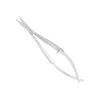 Excelta Scissors - 346B - Micro Self-Opening - Straight - SS - Blade Length .38" - 346B
$35.05
-
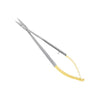 Excelta Scissors - 346-6-HT - Micro Self-Opening - Straight - SS .63" - 346-6-HT
$93.26
-
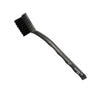 Excelta Brushes - ESD Safe - Offset - Plastic Handle - 197-ESD
$3.50
-
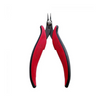 Hakko CHP PN-20-M Thin, Short Nose Pliers - PN-20-M
$12.77$11.49
-
- Gloves
-
Swabs and Applicators
Foam Tipped Swabs
-
ESD & Static Control
ESD & Static Control
- Pipettes
-
Furnaces and Ovens
Furnaces and ovens


Description
- What it is. Ammonium hydroxide, also called ammonia solution, aqueous ammonia, or ammonia water, is ammonia gas dissolved in water. This ACS reagent-grade solution contains 28.0 to 30.0% NH3, the most concentrated grade for routine lab use, and meets American Chemical Society limits for chloride, sulfate, nitrate, phosphate, iron, heavy metals, and other impurities.
- How strong it is. At 28 to 30% NH3 and a density of about 0.90 g/mL, the solution is roughly 14.5 to 15 molar as NH3 with a pH above 12. Expressed as ammonium hydroxide rather than ammonia, a 28% NH3 solution corresponds to about 56.6% NH4OH by weight, which explains why labels and methods sometimes quote different percentages for the same product.
- Weak base chemistry. In water, ammonia reacts partially to form ammonium and hydroxide ions, with a base dissociation constant of about 1.8 x 10^-5 (pKb about 4.75). As a weak base, it neutralizes acids to form ammonium salts and, paired with those salts, forms buffers near pH 9 to 10.
- Metal complexes in analysis. Ammonia forms soluble ammine complexes with copper, silver, nickel, zinc, and cobalt. Copper(II) gives the deep blue tetraamminecopper ion, and silver chloride dissolves as the diamminesilver complex. These reactions form the basis of classic qualitative analysis separations and metal-recovery steps.
- Purity you can document. ACS reagent ammonium hydroxide is held to low limits on the impurities that interfere with trace and titration work, including chloride (0.5 ppm max), iron (0.2 ppm max), heavy metals (0.5 ppm max), carbon dioxide (0.002% max), and residue after ignition (0.002% max), plus a substances-reducing-permanganate test. Those limits make it suitable for buffers and blanks in analytical methods.
- Two sizes for different workloads. The 1 pint size (ZA1303-16) suits occasional bench work, buffer preparation, and teaching labs. The 1 gallon size (ZA1303-128) supports labs that use concentrated ammonia every day for titrations, pH control, precipitation, or cleaning, and reduces how often stock must be reordered.
- Volatility and odor. Ammonia readily escapes from open liquid, especially when warm, building pressure inside closed containers, gradually lowering concentration, and creating a strong, irritating odor. NIOSH recommends keeping ammonia exposure below 25 ppm averaged over a work shift, so concentrated work belongs in a fume hood.
- Where it is used. Analysts combine it with Ammonium Chloride, ACS Grade to make the pH 10 buffer for EDTA hardness titrations, use it to precipitate iron and aluminum hydroxides in gravimetric methods, and adjust pH in sample preparation. In semiconductor processing, it is a component of the SC-1 (RCA) clean, mixed with hydrogen peroxide and water to remove organic and particle contamination. Dilute with Lab Pro's Deionized Water, ACS Type I to prepare working strengths.
Technical Specifications
| Chemical Name | Ammonium hydroxide solution |
| CAS Number | 1336-21-6 |
| EC Number | 215-647-6 |
| PubChem CID | 14923 |
| Synonyms | Ammonia solution, aqueous ammonia, ammonia water, aqua ammonia |
| Formula | NH4OH (NH3 in H2O) |
| Molecular Weight | 35.05 g/mol |
| Grade | ACS reagent |
| Assay | 28.0 to 30.0% NH3 |
| Approximate Molarity | 14.5 to 15 M |
| Density | About 0.90 g/mL at 20 °C |
| pH | Above 12 |
| Appearance | Clear, colorless liquid |
| Odor | Strong, pungent ammonia odor |
| Solubility | Miscible with water |
| Chloride (Cl) | 0.5 ppm max (ACS) |
| Heavy Metals (as Pb) | 0.5 ppm max (ACS) |
| Iron (Fe) | 0.2 ppm max (ACS) |
| Carbon Dioxide (CO2) | 0.002% max (ACS) |
| Residue after Ignition | 0.002% max (ACS) |
| Package Sizes | 1 pint; 1 gallon |
Available Variants
- ZA1303-16 (AH9030-500): 1 pint size for bench use, teaching labs, and buffer preparation.
- ZA1303-128 (AH9030-38): 1 gallon size for daily, higher-volume use.
Applications / Common Uses
- EDTA titration buffer: Combined with ammonium chloride to make the pH 10 buffer for calcium and magnesium hardness titrations.
- Metal hydroxide precipitation: Precipitates iron, aluminum, and other metals in gravimetric and separation methods.
- pH adjustment: Raises pH in formulations where a volatile base that leaves no metal residue is preferred.
- Glassware and wafer cleaning: Used in alkaline cleaning solutions, including ammonia-peroxide mixtures in semiconductor processing.
- Synthesis: Serves as an ammonia source for ammonium salts, amines, and metal ammine complexes.
Storage, Handling & Shipping
Caution: Ammonium hydroxide 28 to 30% causes severe skin burns and eye damage, releases irritating ammonia vapor, and is toxic to aquatic life. Open containers slowly in a fume hood, since pressure can build inside. Never mix with bleach or other hypochlorite or chlorine sources, which release toxic chloramine gas.
Store ammonium hydroxide tightly closed in a cool, dry, well-ventilated corrosives area, away from heat and direct sunlight, which drive off ammonia gas and build pressure in closed containers. Keep it separate from acids, oxidizers, halogens, and bleach, and away from copper, brass, zinc, and aluminum fittings, which it corrodes. Let warm stock cool before opening, then open it slowly in a fume hood with your face turned away.
- Incompatible materials: Acids, strong oxidizers, halogens, hypochlorite (bleach), copper, brass, zinc, aluminum, and silver compounds.
- Exposure limits (ammonia): OSHA PEL 50 ppm TWA; NIOSH REL 25 ppm TWA, 35 ppm STEL.
- Spill response: Evacuate the area, ventilate, and absorb small spills with an inert absorbent or base-neutralizing spill product. Keep vapors out of drains and confined spaces.
- First aid: Skin or eyes: flush with water for at least 15 minutes and seek medical attention. Inhalation: move to fresh air.
- GHS signal word: Danger. Causes severe skin burns and eye damage; may cause respiratory irritation; toxic to aquatic life (H400).
- DOT / shipping: UN2672, Ammonia solution, Class 8, Packing Group III.
Related Categories & Services
- Shop Bases for related products in this category.
- Explore ACS Grade Laboratory Chemicals and Inorganic Chemicals.
- Vendor Managed Inventory (VMI) Program: Lab Pro can stock, track, and replenish this item on site so it never runs out. Contact info@labproinc.com or 888-452-2776 to set up a VMI assessment.
Related Articles
FAQs
Is ammonium hydroxide the same as ammonia?
Ammonium hydroxide is ammonia gas dissolved in water. The 28 to 30% figure describes the dissolved NH3 content, not the amount of NH4OH. In practice, ammonia solution, aqueous ammonia, and ammonium hydroxide all refer to the same product, and the label concentration determines its strength.
What is the molarity of 28 to 30% ammonium hydroxide?
With a density of about 0.90 g/mL, concentrated ammonium hydroxide is roughly 14.5 to 15 molar as NH3. Use this value to plan dilutions. For example, diluting 67 mL to 1 liter gives about 1 M. Always add the concentrate to water slowly in a fume hood.
Why does concentrated ammonium hydroxide hiss when you open it?
Ammonia gas collects in the headspace, and warmth increases the pressure. Let the solution cool before opening, keep your face turned away, and open it slowly inside a fume hood. Store it in a cool area to limit pressure buildup and loss of strength over time.
Can ammonium hydroxide be mixed with bleach for cleaning?
No. Ammonia reacts with sodium hypochlorite and other chlorine sources to form chloramine gases, which can cause severe respiratory injury. Store ammonium hydroxide and bleach separately, never mix them in cleaning procedures, and rinse surfaces and buckets thoroughly with water when switching between the two products.
How should concentrated ammonium hydroxide be stored?
Keep it tightly closed in a cool, ventilated corrosives cabinet away from acids, oxidizers, bleach, and copper or brass fittings. Heat drives off ammonia, weakening the solution and building pressure. Check the assay periodically on older stock if your method depends on an exact concentration.
RELATED PRODUCTS


