- No products in the cart.

- PPE Apparel
- Chemicals
- Wipes
-
Hand Tools
Hand Tools
-
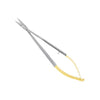 Excelta Scissors - 346-6-HT - Micro Self-Opening - Straight - SS .63" - 346-6-HT
$93.26
Excelta Scissors - 346-6-HT - Micro Self-Opening - Straight - SS .63" - 346-6-HT
$93.26
-
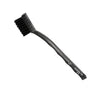 Excelta Brushes - ESD Safe - Offset - Plastic Handle - 197-ESD
$3.50
Excelta Brushes - ESD Safe - Offset - Plastic Handle - 197-ESD
$3.50
-
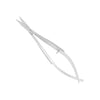 Excelta Scissors - 346B - Micro Self-Opening - Straight - SS - Blade Length .38" - 346B
$34.73
Excelta Scissors - 346B - Micro Self-Opening - Straight - SS - Blade Length .38" - 346B
$34.73
-
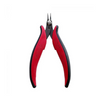 Hakko CHP PN-20-M Thin, Short Nose Pliers - PN-20-M
$12.77$11.49
-
- Gloves
-
Swabs and Applicators
Foam Tipped Swabs
-
ESD & Static Control
ESD & Static Control
- Pipettes
-
Furnaces and Ovens
Furnaces and ovens


Dymax ACCU-CAL 50 Radiometer 39561 without Lightguide Adapters or Simulator - 39561 RADIOMETER
$2,363.26
Description
- Key performance benefit: The Dymax ACCU-CAL 50 Radiometer ensures precise UV intensity and dose measurements, vital for validating and monitoring UV curing systems. It operates efficiently within a 320–395 nm wavelength range, measuring light intensity up to 40 W/cm², suitable for both flood-lamp and spot-cure systems.
- Material & construction: Featuring a robust and durable sensor, the radiometer is designed to withstand continuous exposure to temperatures up to 120 °C and peak exposure of 200 °C. Its compact and lightweight design enhances portability across various workstations.
- Risk reduction / compliance benefit: The device's NIST-traceable calibration provides dependable accuracy, supporting regulatory compliance and ensuring consistent performance across different applications. This traceability is crucial for meeting ISO and GMP documentation standards.
- Protection level: The radiometer's durable construction ensures it can tolerate high temperatures, with a continuous exposure limit of 120 °C and a peak of 200 °C, making it suitable for rigorous industrial environments.
- Comfort & usability: With a user-friendly interface, the digital LCD screen offers real-time readings and dose totals, simplifying the monitoring process. Its battery-powered operation allows for easy deployment in various settings without the need for constant power sources.
- Safety & compliance assurance: The NIST-certified calibration of the ACCU-CAL 50 Radiometer guarantees consistent and reliable performance, essential for maintaining compliance with industry standards and ensuring optimal curing processes.
Key Features
- High Accuracy Measurement: Provides precise UV intensity and dose readings for process validation.
- Wide Measurement Range: Detects UV energy from 1 mW/cm² up to 40 W/cm².
- Broad Spectral Sensitivity: 320–395 nm coverage for a wide variety of curing applications.
- User-Friendly Interface: Digital LCD screen displays real-time readings and dose totals.
- Traceable Calibration: NIST-certified calibration ensures consistent performance.
- Compact, Portable Design: Lightweight and battery-operated for use across multiple stations.
- Durable Sensor Construction: Tolerates up to 120 °C continuous exposure (200 °C peak).
- Versatile System Compatibility: Works with Dymax UV flood lamps, conveyors, and spot-cure systems.
Applications
- UV Curing Process Validation: For adhesives, coatings, and inks in industrial and laboratory setups.
- Production Quality Assurance: Ensures consistent light intensity across UV curing equipment.
- R&D and Testing Laboratories: Ideal for developing and optimizing UV-curable formulations.
- Preventive Maintenance: Monitors UV lamp performance to determine replacement schedules.
- Electronics & Medical Device Manufacturing: Supports reliable curing of critical assemblies.
Benefits
- Enhanced Process Control: Enables data-driven adjustments to ensure optimal curing performance.
- Improved Product Quality: Detects UV degradation before it affects output consistency.
- Regulatory Compliance: NIST-traceable readings support ISO and GMP documentation.
- Flexible Deployment: Suitable for cleanrooms, manufacturing lines, and R&D facilities.
- Operational Efficiency: Quick measurement and easy readout reduce downtime.
- Long Service Life: Built to withstand rigorous industrial use with robust calibration integrity.
Recommended For
- UV curing process validation
- Production quality assurance
- R&D and testing laboratories
- Preventive maintenance
- Electronics manufacturing
- Medical device manufacturing
Product Details
- Spectral Sensitivity: 320 to 395 nm
- Intensity Range: 1 mW/cm² to 40 W/cm²
- Intensity: 1 mW/cm² (to three significant digits)
- Dose: 1 mJ/cm²
- Optometer Temperature: +5 to +40 °C
- Detector Temperature: 120 °C continuous, 200 °C peak
- Power Supply: Two (2) AA batteries
- Battery Life: 250 hours (auto shutoff after 1 hour)
- Meter Dimensions: 120 mm (L) × 65 mm (W) × 23 mm (T)
Primary Industries
- Electronics manufacturing
- Medical device production
- Industrial coatings
- Adhesives manufacturing
Standards and Certifications
- NIST-traceable calibration
Categories
- Dymax UV-Curing Equipment
- Radiometers & Measurement Tools
- Process Control Instruments
- Laboratory & Production QA Devices
- Industrial Light-Curing Accessories
FAQs
How often should the Dymax ACCU-CAL 50 Radiometer be calibrated?
Regular calibration is recommended to maintain accuracy and compliance with industry standards. Typically, an annual calibration is sufficient for most applications, but this may vary depending on usage intensity and specific regulatory requirements. Always refer to your internal quality assurance protocols and industry guidelines to determine the appropriate calibration schedule for your operations.
Is the ACCU-CAL 50 compatible with all Dymax UV curing systems?
The ACCU-CAL 50 Radiometer is designed to be compatible with a wide range of Dymax UV curing systems, including flood lamps and spot-cure systems. However, it is supplied without lightguide adapters or simulators, so ensure you have or acquire the necessary accessories for your specific setup.
What is the expected battery life and maintenance requirement for this radiometer?
The radiometer is powered by two AA batteries, offering up to 250 hours of battery life with an auto-shutoff feature after 1 hour to conserve power. Regularly check battery levels and replace them as needed to ensure uninterrupted operation. Minimal maintenance is required beyond routine calibration.
Can the ACCU-CAL 50 be used in cleanroom environments?
Yes, the compact and portable design of the ACCU-CAL 50 Radiometer makes it suitable for use in cleanroom environments. Its battery-powered design eliminates the need for external power sources, reducing contamination risks and enabling flexible deployment across various cleanroom stations.
What should I do if the radiometer's readings seem inaccurate?
If you suspect inaccuracies in the readings, first ensure the device is properly calibrated and check for any environmental factors that may affect performance, such as extreme temperatures. If issues persist, consult the user manual for troubleshooting tips or contact Dymax technical support for assistance. Regular calibration and proper handling are key to maintaining accuracy.
RELATED PRODUCTS


