- No products in the cart.

- PPE Apparel
- Chemicals
- Wipes
-
Hand Tools
Hand Tools
-
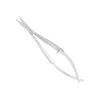 Excelta Scissors - 346B - Micro Self-Opening - Straight - SS - Blade Length .38" - 346B
$35.05
-
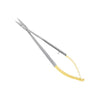 Excelta Scissors - 346-6-HT - Micro Self-Opening - Straight - SS .63" - 346-6-HT
$93.26
-
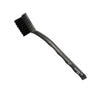 Excelta Brushes - ESD Safe - Offset - Plastic Handle - 197-ESD
$3.50
-
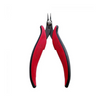 Hakko CHP PN-20-M Thin, Short Nose Pliers - PN-20-M
$12.77$11.49
-
- Gloves
-
Swabs and Applicators
Foam Tipped Swabs
-
ESD & Static Control
ESD & Static Control
- Pipettes
-
Furnaces and Ovens
Furnaces and ovens


Dow SILASTIC RTV-3110 Silicone Rubber Base White 453 g Jar / 4 kg Pail / 18.1 kg Pail
$73.40
Description
- General-purpose mold making. Dow SILASTIC RTV-3110 Base is easily mixed and poured and cures at room temperature to a firm, flexible silicone rubber. It accurately reproduces masters for mold making when used with primer, and it is a general-purpose, low-viscosity mold-making rubber suited to reproducing objects without deep undercuts or complex shapes.
- Performance in service. The cured rubber provides a wide service temperature range and absorbs mechanical shock and vibration, which supports both mold-making and electrical potting duties. Its low viscosity helps it flow around a master to capture surface detail, and it can also be used for encapsulating and potting components.
- Two-part system. This product is supplied as base only and must be combined with a compatible curing agent. Dow's data indicates the base is used with SILASTIC RTV-3010-S Catalyst at a 10:1 base-to-catalyst ratio; wide departures from that ratio can slightly alter properties such as hardness and elongation. For polyester molds, Dow recommends a different catalyst because polyester can inhibit these catalysts.
- Handling notes. Because it belongs to the SILASTIC RTV-3100 series, the material may depolymerize if overheated in total confinement, so high-temperature confined pottings require appropriate design consideration. Surfaces to be reproduced should be clean and free of loose material. Always review the product and Safety Data Sheets before use.
Recommended For
- General-purpose mold making
- Reproduction of masters without deep undercuts or complex shapes
- Encapsulation and potting of components
- Applications needing shock and vibration absorption
- Work requiring a wide service temperature range
Available Variants
- RTV-3110 BASE 18.1KG PL — 18.1 kg pail
- RTV-3110 BASE 4KG PL — 4 kg pail
- RTV-3110 BASE 453G BKT- 453 g jar
Product Details
- Product type: Two-part RTV silicone rubber (base only)
- Color: White
- Viscosity: Low viscosity
- Cure: Room-temperature cure
- Mix ratio: 10:1 base to catalyst (with RTV-3010-S Catalyst, per Dow)
- Service temperature: -55°C to 200°C
- Container sizes: 4 kg pail; 18.1 kg pail, 453 g jar
Primary Industries
- Mold making and casting
- Electronics and electrical manufacturing
- Art and figurine reproduction
- Industrial manufacturing
Standards and Certifications
- None specified by source
FAQs
What is SILASTIC RTV-3110 used for?
It is a general-purpose, low-viscosity silicone base for mold making, well suited to reproducing objects without deep undercuts or complex shapes. Once mixed with catalyst, it cures at room temperature to a firm, flexible rubber, and it can also be used for encapsulation and potting of components.
Does RTV-3110 come ready to use?
No. It is supplied as base only and must be combined with a compatible curing agent before use. Dow's data references SILASTIC RTV-3010-S Catalyst at a 10:1 base-to-catalyst ratio. The catalyst is purchased separately, so plan to order the matching curing agent alongside the base.
What temperatures can the cured rubber withstand?
Distributor data indicates a wide service temperature range of roughly -55°C to 200°C, which supports both mold-making and potting duties. As with any silicone, prolonged exposure near the limits and confined high-temperature use should be evaluated for the specific application before committing to production.
How does the mix ratio affect the finished rubber?
Dow notes results are based on a 10:1 base-to-catalyst ratio, and that wide departures from that ratio can slightly alter physical properties such as hardness and elongation. Measuring components accurately helps ensure consistent, repeatable cure and mechanical performance across successive mixes and production batches.
Why choose the 4 kg versus 18.1 kg pail?
Both pails contain the identical white RTV-3110 base with the same chemistry and cure behavior; only the fill size differs. Choose the 18.1 kg pail for higher-volume or continuous mold-making work, and the 4 kg pail for smaller jobs, prototyping, or lower-throughput production runs.
RELATED PRODUCTS


