- No products in the cart.

- PPE Apparel
- Chemicals
- Wipes
-
Hand Tools
Hand Tools
-
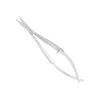 Excelta Scissors - 346B - Micro Self-Opening - Straight - SS - Blade Length .38" - 346B
$35.05
-
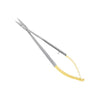 Excelta Scissors - 346-6-HT - Micro Self-Opening - Straight - SS .63" - 346-6-HT
$93.26
-
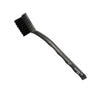 Excelta Brushes - ESD Safe - Offset - Plastic Handle - 197-ESD
$3.50
-
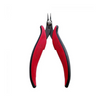 Hakko CHP PN-20-M Thin, Short Nose Pliers - PN-20-M
$12.77$11.49
-
- Gloves
-
Swabs and Applicators
Foam Tipped Swabs
-
ESD & Static Control
ESD & Static Control
- Pipettes
-
Furnaces and Ovens
Furnaces and ovens


Buffer Standard pH 12.45, Colorless, 500 mL
$29.17
Description
- What it is. This pH 12.45 buffer standard is a colorless, high-alkaline pH reference solution used to calibrate pH meters and electrodes for strongly basic samples. It is supplied in a 500 mL size.
- Why 12.45. pH 12.45 at 25 °C is a reference value on the IUPAC and NIST pH scales, the same scales used to define standard pH buffers. Buffers made to this value are widely recognized for high-pH calibration, so results can be compared across laboratories and instruments.
- How a buffer holds its pH. A buffer contains a weak acid and its conjugate base, or a weak base and its conjugate acid, in balanced amounts. When small amounts of acid or base enter the solution, one partner neutralizes them, so the pH barely moves. That resistance to change is what makes a buffer a reliable reference point for calibration, unlike plain water.
- Why colorless. Colorless buffers contain no dye. This avoids dye residues on the electrode or labware and makes it easy to spot cloudiness or contamination, which is especially useful for a high-pH standard that must stay clean to hold its value.
- The high-pH challenge. At high pH, glass electrodes can respond to sodium and other alkali ions in addition to hydrogen ions, which lowers readings below the true value. Calibrating near the measurement range with a pH 12.45 standard helps reveal and reduce this alkaline error, and many labs pair it with electrodes designed for high-pH work.
- Highly sensitive to carbon dioxide. Strongly alkaline solutions absorb carbon dioxide from the air, which lowers the pH over time. Keep the container tightly closed, pour out only what you need right before calibrating, and discard used portions instead of returning them.
- Temperature matters. Buffer pH shifts slightly with temperature, so the stated value applies at 25 °C. Calibrate at the same temperature as your samples, use automatic temperature compensation if your meter has it, and apply temperature-correction values supplied with the buffer when they are provided.
- Calibration best practice. Rinse the electrode with deionized water and blot it gently between buffers, immerse it in a fresh portion of buffer in a clean beaker, stir gently, and wait for a stable reading before accepting each point. Calibrate before each day's measurements, or more often as the method requires, and record the meter-reported slope to track electrode health.
- Where it is used. Use pH 12.45 buffer in chemical manufacturing, metal finishing and caustic cleaning operations, industrial wastewater treatment, cement and lime testing, and research labs working with strong bases. It pairs with Lab Pro's Buffer Solution pH 10, Blue and Buffer Solution pH 12 for calibration across the alkaline range.
Technical Specifications
| Product | pH buffer standard, colorless |
| Nominal pH | 12.45 at 25 °C |
| Reference Basis | IUPAC / NIST pH scale reference value |
| Color | Colorless |
| Use | High-alkaline pH meter calibration |
| Physical State | Liquid, aqueous solution |
| Reference Temperature | 25 °C |
| Calibration Role | High-alkaline calibration point |
| Recommended Pairing | pH 7 and pH 10 |
| Odor | Odorless (typical for aqueous pH buffers) |
| Specific Gravity | Approx. 1.0 (typical for aqueous pH buffers) |
| Melting / Boiling Point | Approx. 0 °C / 100 °C (aqueous) |
| Storage | Room temperature, tightly closed, protected from light and freezing |
| Open-Container Stability | Alkaline: absorbs CO2 from air; use opened stock promptly |
| Package Size | 500 mL |
Applications / Common Uses
- High-pH calibration: Sets a calibration point above pH 12.
- Caustic solution testing: Brackets measurements of strong cleaning and etching solutions.
- Industrial wastewater: Supports accurate readings of strongly alkaline effluent.
- Electrode performance checks: Reveals alkaline error in glass electrodes.
- Cement and lime testing: Supports pH work on highly alkaline mineral samples.
Storage, Handling & Shipping
Store the buffer tightly closed at room temperature, protected from light and freezing. Because strongly alkaline solutions absorb carbon dioxide quickly, open the container only when dispensing and use opened stock within the period stated on the label or certificate.
- Storage temperature: Store at room temperature and protect from light and freezing.
- Contamination control: Pour the amount needed into a clean beaker; never return used buffer to stock or dip an electrode into the stock container.
- Shelf life: Use before the expiration date on the label; once opened, use within the period stated on the certificate or label.
- Rinsing: Rinse electrodes with deionized water between buffers to prevent carryover.
- Personal protection: Wear safety glasses and gloves; strongly alkaline solutions can irritate skin and eyes.
Related Categories & Services
- Shop PH Buffers & Test Kits for related products in this category.
- Explore pH Buffers and Buffers, Standards & Solutions.
- Vendor Managed Inventory (VMI) Program: Lab Pro can stock, track, and replenish this item on site so it never runs out. Contact info@labproinc.com or 888-452-2776 to set up a VMI assessment.
Related Articles
FAQs
Why is 12.45 used as a buffer value?
pH 12.45 at 25 °C is a reference value on the IUPAC and NIST pH scales, the internationally recognized scales used to define standard buffers. Using a buffer at this value ties high-pH calibrations to the same reference system laboratories worldwide use, supporting comparable and defensible results.
What is the difference between this and a pH 12 buffer?
Both calibrate meters for strongly alkaline samples. The pH 12.45 standard matches a recognized reference value on the IUPAC and NIST scales, while a pH 12 buffer offers a round-number calibration point. Choose the value your method specifies, or the one closest to your typical sample pH.
Why is this buffer colorless?
It contains no dye. Colorless buffers avoid dye residues on electrodes and labware, and they make cloudiness or contamination easier to spot. That matters for a high-pH standard, because any contamination or carbon dioxide uptake shifts its value and reduces calibration accuracy. Keep the label legible, since color cannot identify it.
How quickly should opened pH 12.45 buffer be used?
As soon as practical. Strongly alkaline solutions absorb carbon dioxide from the air, which lowers their pH. Keep the container tightly closed, dispense right before calibrating, discard used portions, and follow the use period stated on the label or certificate for opened stock. Never return used buffer to the stock.
Is pH 12.45 buffer hazardous to handle?
Strongly alkaline solutions can irritate skin and eyes, so wear safety glasses and gloves and rinse any splashes with plenty of water. The exact hazard classification depends on the formulation, so review the safety data sheet supplied with the product before use and disposal. Keep an eyewash station nearby.
RELATED PRODUCTS


