- No products in the cart.

- PPE Apparel
- Chemicals
- Wipes
-
Hand Tools
Hand Tools
-
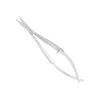 Excelta Scissors - 346B - Micro Self-Opening - Straight - SS - Blade Length .38" - 346B
$35.05
-
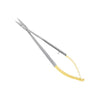 Excelta Scissors - 346-6-HT - Micro Self-Opening - Straight - SS .63" - 346-6-HT
$93.26
-
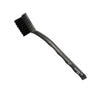 Excelta Brushes - ESD Safe - Offset - Plastic Handle - 197-ESD
$3.50
-
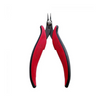 Hakko CHP PN-20-M Thin, Short Nose Pliers - PN-20-M
$12.77$11.49
-
- Gloves
-
Swabs and Applicators
Foam Tipped Swabs
-
ESD & Static Control
ESD & Static Control
- Pipettes
-
Furnaces and Ovens
Furnaces and ovens


Sodium Hydroxide 0.1 N (0.1 M) Solution
$30.00
Description
- What it is. This sodium hydroxide solution is a 0.1 N (0.1 M) volumetric standard base, offered in 1 quart and 1 gallon sizes. It is a clear, colorless titrant for determining acids and acidity in analytical, food, and QC labs.
- Molar equals normal. Sodium hydroxide releases one hydroxide ion per formula unit, so 0.1 N equals 0.1 M. Each liter contains about 4.000 g of NaOH, and each milliliter neutralizes 0.1 millimole of acid, equal to 3.646 mg of HCl or 6.005 mg of acetic acid (calculated).
- The most common standard base. Sodium hydroxide is the standard titrant for acids in most laboratories. It reacts quickly and completely with strong and weak acids, and its endpoint is easily seen with phenolphthalein or measured with a pH meter.
- Standardization with KHP. Sodium hydroxide is not a primary standard because it absorbs moisture and carbon dioxide. Standardize it against dried potassium hydrogen phthalate (KHP), a stable primary standard acid, using phenolphthalein or a potentiometric endpoint.
- Carbon dioxide sensitivity. Sodium hydroxide absorbs carbon dioxide from the air, forming sodium carbonate, which lowers effective strength and blurs endpoints. Keep the container tightly closed and restandardize regularly, especially for critical work.
- Common determinations. Typical uses include acetic acid in vinegar, titratable acidity in juices, wine, and dairy, acid value of oils, free acid in chemicals, and standardization or cross-checking of acid titrants such as Lab Pro's Hydrochloric Acid 0.1 N (0.1 M), 1 Gallon.
- Two sizes. The 1 quart size (ZS0606-32) suits teaching labs and occasional testing, while the 1 gallon size (ZS0606-128) supports QC labs that titrate daily.
- Calculating acidity. Acidity, as grams of acid per 100 mL, equals the titrant volume multiplied by the normality and by the acid's milliequivalent weight, divided by the sample volume and multiplied by 100. For acetic acid, the milliequivalent weight is 0.06005 g.
- Handling at a glance. At 0.1 N, sodium hydroxide can irritate eyes and skin. Wear safety glasses and gloves, rinse splashes with water, and keep it away from acids and reactive metals such as aluminum. Pair it with Phenolphthalein Indicator 1% in IPA (1 Pint, 20 L).
Technical Specifications
| Chemical Name | Sodium hydroxide, aqueous volumetric solution |
| CAS Numbers | 1310-73-2 (sodium hydroxide); 7732-18-5 (water) |
| EC Number (NaOH) | 215-185-5 |
| Synonyms | Caustic soda solution, NaOH solution |
| Formula (active) | NaOH |
| Molecular Weight (active) | 40.00 g/mol |
| Concentration | 0.1 N (0.1 M) |
| NaOH Content | About 4.000 g/L (calculated) |
| Neutralizing Capacity | 1.00 mL = 0.1 mmol acid; 3.646 mg HCl; 6.005 mg acetic acid (calculated) |
| Typical Indicator | Phenolphthalein |
| Primary Standard | Potassium hydrogen phthalate (KHP) |
| Appearance | Clear, colorless liquid |
| Storage Note | Absorbs CO2; keep tightly closed |
| Exposure Limit (NaOH) | NIOSH REL 2 mg/m³ ceiling |
| Hazard Profile | Eye and skin irritant at this strength (confirm on SDS) |
| Package Sizes | 1 quart; 1 gallon |
Available Variants
- ZS0606-32: 1 quart for teaching labs and occasional testing.
- ZS0606-128 (SH1160-38): 1 gallon for daily QC titration.
Applications / Common Uses
- Titratable acidity: Measures acidity in juices, wine, and dairy.
- Vinegar analysis: Determines acetic acid content.
- Acid value: Titrates free acids in oils and fats.
- Acid titrant verification: Cross-checks HCl and other standard acids.
- Teaching labs: Demonstrates acid-base titration.
Storage, Handling & Shipping
Store tightly closed at room temperature, away from acids and reactive metals. Sodium hydroxide solutions absorb carbon dioxide from the air, so keep the container sealed and restandardize when results depend on exact normality.
- Incompatible materials: Acids, aluminum, zinc, tin, and other reactive metals.
- Exposure limit (NaOH): NIOSH REL 2 mg/m³ ceiling.
- Spill response: Contain, neutralize cautiously with a weak acid, and rinse with water.
- First aid: Eyes: flush with water for at least 15 minutes. Skin: rinse with water.
Related Categories & Services
- Shop Bases for related products in this category.
- Explore Buffers, Standards & Solutions and ACS Grade Laboratory Chemicals.
- Vendor Managed Inventory (VMI) Program: Lab Pro can stock, track, and replenish this item on site so it never runs out. Contact info@labproinc.com or 888-452-2776 to set up a VMI assessment.
Related Articles
FAQs
What is 0.1 N sodium hydroxide used for?
It is the standard base for titrating acids, including acetic acid in vinegar, titratable acidity in juices, wine, and dairy, acid value in oils, and free acid in chemicals. It is also used to verify acid titrants such as hydrochloric acid in QC labs. Phenolphthalein is the usual indicator.
How do I standardize 0.1 N NaOH?
Dry potassium hydrogen phthalate, weigh an accurate portion, dissolve it in carbon dioxide-free water, and titrate with the sodium hydroxide using phenolphthalein. Calculate normality from the moles of KHP and the volume used, and repeat the titration in triplicate. Average the results for the final normality.
Why does sodium hydroxide solution lose strength?
Sodium hydroxide absorbs carbon dioxide from the air, converting some hydroxide to carbonate. That lowers its effective strength and makes endpoints less sharp. Keep the container tightly closed, limit time open, and restandardize regularly, especially before critical or regulated testing. Fresh standardization keeps results comparable.
Is 0.1 N the same as 0.1 M for sodium hydroxide?
Yes. Sodium hydroxide releases one hydroxide ion per formula unit, so normality and molarity are equal. A 0.1 N solution is 0.1 M, contains about 4.000 g of NaOH per liter, and each milliliter neutralizes 0.1 millimole of a monoprotic acid. Diprotic bases differ. Check your method.
Which size should I choose?
Choose the quart for teaching labs and occasional titrations, so the solution is used before it absorbs much carbon dioxide. Choose the gallon for QC labs that titrate daily, keeping it tightly closed and restandardizing on a regular schedule. Both contain the same solution. Label opening dates.
RELATED PRODUCTS


