- No products in the cart.

- PPE Apparel
- Chemicals
- Wipes
-
Hand Tools
Hand Tools
-
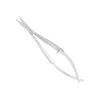 Excelta Scissors - 346B - Micro Self-Opening - Straight - SS - Blade Length .38" - 346B
$35.05
-
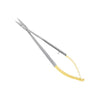 Excelta Scissors - 346-6-HT - Micro Self-Opening - Straight - SS .63" - 346-6-HT
$93.26
-
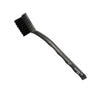 Excelta Brushes - ESD Safe - Offset - Plastic Handle - 197-ESD
$3.50
-
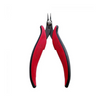 Hakko CHP PN-20-M Thin, Short Nose Pliers - PN-20-M
$12.77$11.49
-
- Gloves
-
Swabs and Applicators
Foam Tipped Swabs
-
ESD & Static Control
ESD & Static Control
- Pipettes
-
Furnaces and Ovens
Furnaces and ovens


Potassium Iodide 10% (w/v) Solution, 1 Quart
$87.33
Description
- What it is. This potassium iodide solution contains 10 g KI per 100 mL (10% w/v) and comes in a 1-quart size. It is a clear, colorless reagent used mainly for iodometric titrations and as an iodide source in analytical chemistry.
- What 10% (w/v) delivers. Each liter contains 100 g of potassium iodide, about 0.60 M (calculated from 166.00 g/mol). This provides a large excess of iodide for reactions with oxidizing agents, as iodometric methods require.
- How iodometry works. In iodometric methods, an oxidizing analyte reacts with excess iodide to release an equivalent amount of iodine. The iodine is then titrated with standard sodium thiosulfate, usually with starch indicator, so the thiosulfate volume measures the oxidant.
- What it helps measure. Iodometric methods using potassium iodide determine residual chlorine and chlorine dioxide, dissolved oxygen (Winkler method), peroxides, copper, and many other oxidizing species in water, food, and industrial samples.
- Why add iodide in excess. Excess iodide drives the oxidation reaction to completion and keeps the liberated iodine dissolved as the triiodide ion, preventing iodine loss by evaporation and giving sharper starch endpoints.
- Stability and color. Iodide solutions slowly oxidize in air and light, forming trace iodine that turns the solution pale yellow. A yellow tint adds error to blank values, so store the solution in the dark and replace it if it darkens noticeably.
- Preparing for titration. In a typical iodometric procedure, acidify the sample, add potassium iodide in excess, and keep the flask in the dark briefly while the oxidant releases iodine. Then titrate the iodine with standard sodium thiosulfate, adding starch near the endpoint.
- Handling at a glance. Potassium iodide solution is relatively low hazard, but it can irritate the eyes, and repeated exposure to iodide can affect the thyroid. Wear safety glasses and gloves and avoid ingestion.
- Related products. To prepare custom strengths, use Lab Pro's Potassium Iodide Crystals, ACS Grade, 500 g. For oxidimetric titrations, see Potassium Permanganate 0.5 N, 1 Gallon.
- Where it is used. Ten-percent potassium iodide is used in water and wastewater labs for chlorine and dissolved oxygen testing, in food labs for peroxide value, in QC labs for oxidant assays, and in teaching labs demonstrating iodometric titration.
Technical Specifications
| Chemical Name | Potassium iodide, aqueous solution |
| CAS Numbers | 7681-11-0 (potassium iodide); 7732-18-5 (water) |
| EC Number (KI) | 231-659-4 |
| Synonyms | KI solution |
| Formula (active) | KI |
| Molecular Weight (active) | 166.00 g/mol |
| Concentration | 10% (w/v), 100 g/L |
| Approximate Molarity | About 0.60 M (calculated) |
| Primary Use | Iodometric titrations (iodide source) |
| Paired Titrant | Sodium thiosulfate, with starch indicator |
| Appearance | Clear, colorless liquid (turns pale yellow on oxidation) |
| Physical State | Liquid, aqueous solution |
| Stability Note | Protect from light and air |
| Hazard Profile | Eye irritant; prolonged exposure may affect the thyroid (confirm on SDS) |
| Package Size | 1 quart |
Applications / Common Uses
- Residual chlorine: Releases iodine for iodometric chlorine tests.
- Dissolved oxygen: Supports Winkler iodometric determination.
- Peroxide value: Measures peroxides in fats and oils.
- Oxidant assays: Determine copper, hypochlorite, and other oxidizers.
- Teaching labs: Demonstrates iodometric titration.
Storage, Handling & Shipping
Store tightly closed at room temperature in a dark place, away from oxidizers and acids. Iodide solutions oxidize slowly in air and light, so keep the container sealed and replace solution that turns noticeably yellow.
- Incompatible materials: Strong oxidizers, strong acids, and metal salts that form insoluble iodides.
- Personal protection: Safety glasses and gloves.
- Spill response: Wipe up with absorbent material and rinse the area with water.
- First aid: Eyes: rinse with water for several minutes. Ingestion: seek medical advice.
Related Categories & Services
- Shop Buffers, Standards & Solutions for related products in this category.
- Explore Inorganic Chemicals and ACS Grade Laboratory Chemicals.
- Vendor Managed Inventory (VMI) Program: Lab Pro can stock, track, and replenish this item on site so it never runs out. Contact info@labproinc.com or 888-452-2776 to set up a VMI assessment.
Related Articles
FAQs
What is 10% potassium iodide used for?
It is the iodide source in iodometric titrations. Oxidizing analytes such as chlorine, dissolved oxygen, peroxides, and copper react with the iodide to release iodine, which is then titrated with standard sodium thiosulfate. The volume of thiosulfate used measures the original oxidant. It is a staple in water testing labs.
Why does potassium iodide solution turn yellow?
Iodide slowly oxidizes in air and light to form traces of iodine, which give a pale yellow color. That iodine adds to blank values and can bias results. Store the solution in the dark, keep it sealed, and replace it if the yellow color becomes noticeable.
Why is potassium iodide added in excess?
Excess iodide pushes the reaction with the oxidant to completion and keeps released iodine dissolved as triiodide. That prevents iodine from evaporating and gives a sharper, more reliable starch endpoint, which improves accuracy in iodometric titrations. It also speeds the reaction, so the oxidant reacts fully in the short time allowed before titration.
Can I make potassium iodide solution from crystals?
Yes. Dissolve 100 g of ACS grade potassium iodide crystals in deionized water and dilute to 1 liter for a 10% (w/v) solution. Use freshly boiled, cooled water if your method calls for oxygen-free conditions, and store the solution in the dark. Label it with the preparation date.
Is potassium iodide solution hazardous?
It is relatively low hazard but can irritate the eyes, and repeated exposure to iodide may affect the thyroid. Wear safety glasses and gloves, avoid ingestion, and rinse splashes with water. Check the safety data sheet for its exact classification. Keep it out of reach of food areas.
RELATED PRODUCTS


