- No products in the cart.

- PPE Apparel
- Chemicals
- Wipes
-
Hand Tools
Hand Tools
-
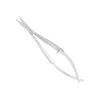 Excelta Scissors - 346B - Micro Self-Opening - Straight - SS - Blade Length .38" - 346B
$35.05
-
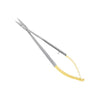 Excelta Scissors - 346-6-HT - Micro Self-Opening - Straight - SS .63" - 346-6-HT
$93.26
-
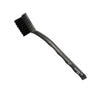 Excelta Brushes - ESD Safe - Offset - Plastic Handle - 197-ESD
$3.50
-
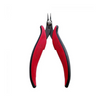 Hakko CHP PN-20-M Thin, Short Nose Pliers - PN-20-M
$12.77$11.49
-
- Gloves
-
Swabs and Applicators
Foam Tipped Swabs
-
ESD & Static Control
ESD & Static Control
- Pipettes
-
Furnaces and Ovens
Furnaces and ovens


Tungsten ICP Standard, 1,000 ppm
$75.91
Description
- A single-element calibration standard: This is a tungsten single-element standard at 1,000 ppm (1,000 mg/L) tungsten, formulated for calibrating inductively coupled plasma (ICP) instruments and related atomic-spectroscopy techniques. Accurate, traceable single-element standards are the foundation of reliable quantitative trace-metal analysis: an instrument can only be as accurate as the standards used to calibrate it, which is why well-characterized solutions like this one are essential in the analytical laboratory.
- How it is used: Analysts use the standard to prepare calibration curves and to verify instrument performance for tungsten, either on its own or diluted to create a series of concentrations that bracket the expected sample levels. It supports ICP-OES and ICP-MS as well as atomic absorption work, and it is equally valuable for routine calibration and for quality-control checks that confirm an instrument is still measuring accurately during a run.
- Verified matrix and identity: The standard is prepared as 1,000 ppm tungsten in a water matrix with a trace of ammonium hydroxide (NH4OH), a matrix chosen because it keeps tungsten stable in solution and resistant to precipitation over the product's shelf life. The LabPro listing gives CAS numbers 7732-18-5 (water), 11120-25-5 (the tungsten source), and 1336-21-6 (ammonium hydroxide), which together describe the composition of the solution.
- Storage and shelf life: To preserve the certified concentration, the standard should be stored according to the manufacturer's guidance and the certificate, with the container kept tightly closed to prevent contamination or evaporation that could shift the value. Choosing a size, 100 mL or 500 mL, that matches calibration throughput helps ensure the standard is used within a reasonable period while still valid, keeping calibrations and quality checks accurate.
Recommended For
- Calibrating ICP-OES and ICP-MS instruments
- Atomic absorption spectroscopy calibration
- Trace tungsten quantification
- Analytical quality control
Product Details
- Product: Tungsten single-element ICP standard
- Concentration: 1,000 ppm (1,000 mg/L) W
- Matrix: H2O with trace NH4OH
- CAS numbers: 7732-18-5, 11120-25-5, 1336-21-6
- Available sizes: 100 mL, 500 mL
Available Variants
- 23270 — Tungsten, 1,000 ppm ICP Standard Solution, 100 mL
- 23272 — Tungsten, 1,000 ppm ICP Standard Solution, 500 mL
- The two variants are the same 1,000 ppm tungsten standard in 100 mL and 500 mL sizes; choose the volume to match your calibration needs.
Primary Industries
- Analytical and testing laboratories
- Environmental testing
- Metals and mining analysis
- Quality control
Standards and Certifications
- None specified by source
FAQs
What is a tungsten ICP standard used for?
It is a single-element calibration standard containing 1,000 ppm tungsten, used to calibrate inductively coupled plasma (ICP) and atomic absorption instruments and to verify their performance. Accurate standards like this are essential for reliable quantitative measurement of tungsten in trace-metal analysis.
Why does the standard contain trace ammonium hydroxide?
The standard is prepared as 1,000 ppm tungsten in water with a trace of ammonium hydroxide (NH4OH). The trace base helps keep tungsten stable in solution, since some elements require a specific matrix to remain dissolved and avoid precipitation over the standard's shelf life.
What do the CAS numbers refer to?
The LabPro listing gives CAS numbers 7732-18-5 (water), 11120-25-5 (the tungsten source), and 1336-21-6 (ammonium hydroxide), reflecting the components of the standard's matrix. Confirming these helps ensure you have the correct standard and lets you reference the Safety Data Sheet for handling.
What sizes are available?
The standard is offered in 100 mL and 500 mL sizes. Choosing a size that matches your calibration throughput helps manage shelf life, since standards are best used within a reasonable period after opening to maintain their certified concentration for accurate results.
How should the standard be stored?
Store the standard according to the manufacturer's guidance on the Safety Data Sheet and the certificate, keeping the container closed to avoid contamination or evaporation that could shift the concentration. Proper storage preserves the certified value so your calibrations and quality-control checks remain accurate.
RELATED PRODUCTS


