- No products in the cart.

- PPE Apparel
- Chemicals
- Wipes
-
Hand Tools
Hand Tools
-
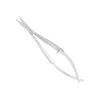 Excelta Scissors - 346B - Micro Self-Opening - Straight - SS - Blade Length .38" - 346B
$35.05
-
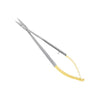 Excelta Scissors - 346-6-HT - Micro Self-Opening - Straight - SS .63" - 346-6-HT
$93.26
-
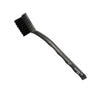 Excelta Brushes - ESD Safe - Offset - Plastic Handle - 197-ESD
$3.50
-
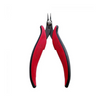 Hakko CHP PN-20-M Thin, Short Nose Pliers - PN-20-M
$12.77$11.49
-
- Gloves
-
Swabs and Applicators
Foam Tipped Swabs
-
ESD & Static Control
ESD & Static Control
- Pipettes
-
Furnaces and Ovens
Furnaces and ovens


Borosilicate Glass Beakers, Low Form
$3.70
Description
- Everyday laboratory glassware: These low-form beakers are made of borosilicate glass, the standard material for laboratory beakers because of its strong resistance to thermal shock and chemical attack. The low-form shape, with a height roughly 1.4 times the diameter and a small pouring spout, is the general-purpose workhorse of the laboratory: stable on the bench thanks to its wide base, easy to pour from, and suitable for the everyday tasks of mixing, dissolving, heating, and holding liquids across a huge range of applications.
- Why borosilicate glass: Borosilicate withstands rapid temperature changes far better than ordinary soda-lime glass, which is what allows these beakers to be heated on a hot plate and used with reagents that would attack lesser glass. Its combination of thermal and chemical durability is the reason it became the laboratory standard. Just as important, the glass is transparent, so you can watch a reaction proceed, judge mixing, check for undissolved solids, and read the printed graduations against the contents.
- Three sizes for different scales: The group includes 50 mL, 250 mL, and 600 mL capacities, spanning small-scale bench work through larger-volume preparation. Choosing a beaker close to the working volume keeps the printed graduations useful for approximate measurement and reduces the risk of overfilling or splashing. Having several sizes on hand lets a laboratory move smoothly between titrations and small preparations and the larger mixing and dilution steps that need more room.
- Practical, dependable performance: As with all beakers, the graduations are intended for approximate volume estimates rather than precise measurement, so a graduated cylinder, volumetric flask, or pipette should be used where accuracy matters. Used within their intended role, borosilicate low-form beakers are among the most reliable and frequently reached-for items in any laboratory, standing up to routine washing and repeated heating cycles while remaining clear and easy to inspect.
Recommended For
- Mixing, heating, and holding laboratory liquids
- Approximate volume measurement
- Work on hot plates requiring thermal-shock resistance
- General laboratory and education use
Product Details
- Product type: Low-form beaker with spout
- Material: Borosilicate glass
- Available sizes: 50 mL, 250 mL, 600 mL
- Form: Low form (height about 1.4x diameter)
Available Variants
- B4266-0050 — Beaker 50 mL, Borosilicate Glass
- B4266-0250 — Beaker 250 mL, Borosilicate Glass
- B4266-0600 — Beaker 600 mL, Borosilicate Glass
- The variants differ only in capacity, 50 mL, 250 mL, and 600 mL, so you can match the beaker to the scale of the task.
Primary Industries
- Laboratories and research
- Education and teaching
- Pharmaceutical and chemical
- Quality control
Standards and Certifications
- None specified by source
FAQs
What is borosilicate glass and why is it used for beakers?
Borosilicate is the standard laboratory glass because it resists thermal shock and chemical attack better than ordinary glass. That means it tolerates rapid temperature changes, such as heating on a hot plate, and stands up to many reagents, which makes it a dependable choice for everyday beakers.
What does low form mean?
A low-form beaker has a height about 1.4 times its diameter and a small pouring spout. This is the common general-purpose beaker shape, offering a stable, wide base and easy pouring. Low-form beakers suit routine mixing, heating, and holding of liquids in most laboratory settings.
What sizes are available?
The group includes 50 mL, 250 mL, and 600 mL beakers, covering small-scale work through larger-volume preparation. Selecting a beaker close to your working volume makes the printed graduations more useful for approximate measurement and reduces the risk of overfilling or spillage.
Are the graduations precise?
Beaker graduations are intended for approximate volume estimates, not precise measurement. For accurate volumes, use a graduated cylinder, volumetric flask, or pipette. The beaker's markings are convenient for gauging roughly how much liquid is present during mixing and preparation work.
Can these beakers be heated?
Yes. Borosilicate glass is designed to withstand the thermal stresses of heating, such as on a hot plate, better than ordinary glass. As always, follow safe handling practices, avoid sudden extreme temperature changes, and use appropriate protection when handling hot glassware to reduce the risk of breakage or injury.
RELATED PRODUCTS


