- No products in the cart.

- PPE Apparel
- Chemicals
- Wipes
-
Hand Tools
Hand Tools
-
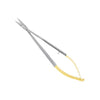 Excelta Scissors - 346-6-HT - Micro Self-Opening - Straight - SS .63" - 346-6-HT
$93.26
Excelta Scissors - 346-6-HT - Micro Self-Opening - Straight - SS .63" - 346-6-HT
$93.26
-
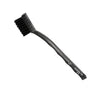 Excelta Brushes - ESD Safe - Offset - Plastic Handle - 197-ESD
$3.50
Excelta Brushes - ESD Safe - Offset - Plastic Handle - 197-ESD
$3.50
-
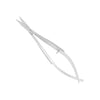 Excelta Scissors - 346B - Micro Self-Opening - Straight - SS - Blade Length .38" - 346B
$34.73
Excelta Scissors - 346B - Micro Self-Opening - Straight - SS - Blade Length .38" - 346B
$34.73
-
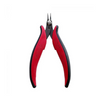 Hakko CHP PN-20-M Thin, Short Nose Pliers - PN-20-M
$12.77$11.49
-
- Gloves
-
Swabs and Applicators
Foam Tipped Swabs
-
ESD & Static Control
ESD & Static Control
- Pipettes
-
Furnaces and Ovens
Furnaces and ovens


Foamtec UltraSOLV® Semi-Flexible Micro Spear Tip Static Dissipative Foam Swabs w/ ESD Safe Handle - 12,500 Swabs/Case - HT1950-500
$1,870.55
Description
- Key Performance Benefit: The 1900 Series UltraSOLV® Static Dissipative Foam Swabs are designed for precise cleaning tasks in environments where electrostatic discharge (ESD) control is critical.
- Material & Construction: These swabs use open-cell, static-dissipative UltraSOLV® polyurethane foam tips that provide maximum protection against electrostatic discharge. The tips are thermally bonded to a static dissipative polypropylene handle.
- Risk Reduction / Compliance Benefit: The foam is extremely low in tribocharging and high in absorbency, making it ideal for cleaning low-threshold devices such as RF FETS and giant magneto-resistive read/write heads.
- Protection Level: Constructed with a static dissipative UltraSOLV® polyurethane foam tip designed to minimize tribocharging in environments sensitive to static discharge.
- Comfort & Usability: The foam used in these swabs is low in particle generation and highly absorbent, supporting effective removal of particles and residues.
- Safety & Compliance Assurance: Manufactured and packaged in ISO 5 & ISO 13485 certified cleanrooms to meet stringent cleanliness requirements.
Recommended For
- Semiconductor manufacturing
- Medical electronics assembly
- Aerospace assembly cleanrooms
- Cleaning ESD-sensitive components
- Cleaning RF FETS and giant magneto-resistive read/write heads
- Precision cleaning tasks in controlled environments
Product Details
- Head Thickness: 2.6 mm
- Head Width: 2.6 mm
- Head Length: 10.4 mm
- Handle Length: 58.4 mm
- Handle Diameter: 2.5 mm
- Total Length: 68.8 mm
- Head Material: Static Dissipative UltraSOLV® Foam
- Head Bond: Thermal
- Handle Material: Static Dissipative Polypropylene
- Handle Color: White
Primary Industries
- Semiconductor
- Medical Electronics
- Aerospace
Standards and Certifications
- ISO 5 cleanroom manufacturing
- ISO 13485 cleanroom manufacturing
FAQs
When should a micro ESD-safe foam swab be used in electronics manufacturing?
Micro ESD-safe foam swabs are typically used when cleaning very small electronic components that require precise control and electrostatic protection. Their compact tip allows technicians to target narrow spaces such as connector pins, sensor surfaces, and miniature assemblies without generating static that could damage sensitive devices.
What types of devices benefit most from static dissipative cleaning tools?
Static dissipative swabs are commonly used on sensitive electronic components, including RF devices, sensors, read/write heads, and miniature circuit assemblies. These components can be vulnerable to electrostatic discharge, so using ESD-safe tools helps reduce the risk of damage during cleaning or maintenance procedures.
How does low tribocharging help protect sensitive electronic components?
Low tribocharging materials help reduce static electricity generated through friction during wiping or contact with surfaces. This minimizes the possibility of electrostatic discharge events that could disrupt the operation of delicate electronic components or reduce their long-term reliability.
Can these swabs be used with cleaning solvents during electronic cleaning tasks?
Yes, the foam tip can absorb small amounts of compatible cleaning solvents, allowing technicians to apply fluid in a controlled manner. This helps remove particles or residues from targeted areas while minimizing the spread of liquid to surrounding components.
What handling practices help maintain ESD protection and cleanliness during use?
Technicians typically follow established ESD control practices such as grounding workstations and wearing appropriate protective equipment. Swabs should remain sealed until needed and be handled with gloves to maintain both electrostatic protection and contamination control in cleanroom environments.
RELATED PRODUCTS


